Tea Explorer
Famous Chinese Teas
Twenty-one iconic teas. Every one has a dedicated page with its flavor profile, exact brewing parameters, realistic prices, quality checks, common scams, and history.
Tea Detail Pages
 Green
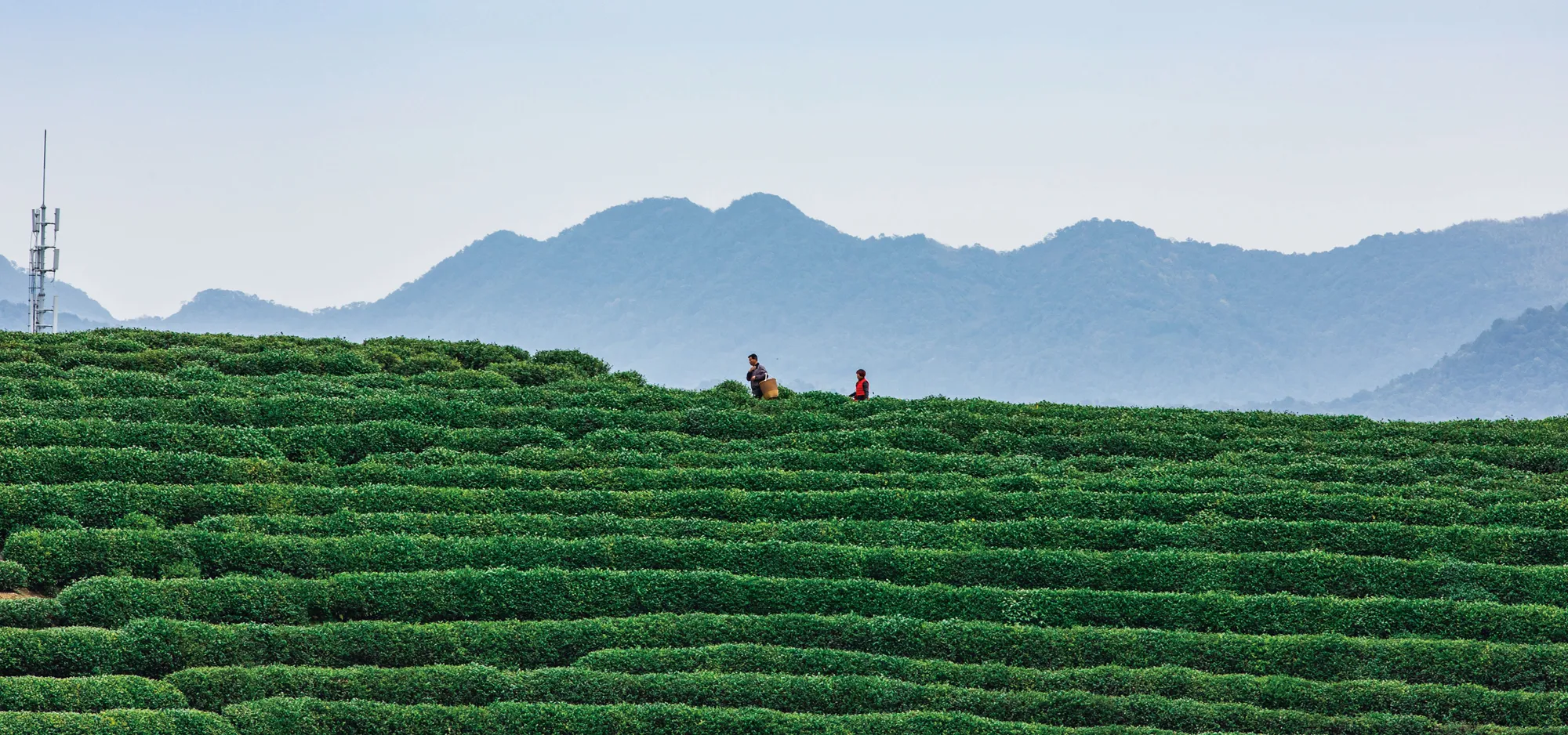
GreenLongjing (Dragon Well) 龙井
Xihu, Hangzhou, Zhejiang
Fresh, nutty, chestnut, sweet finish
Full guide + buying tips
 Green
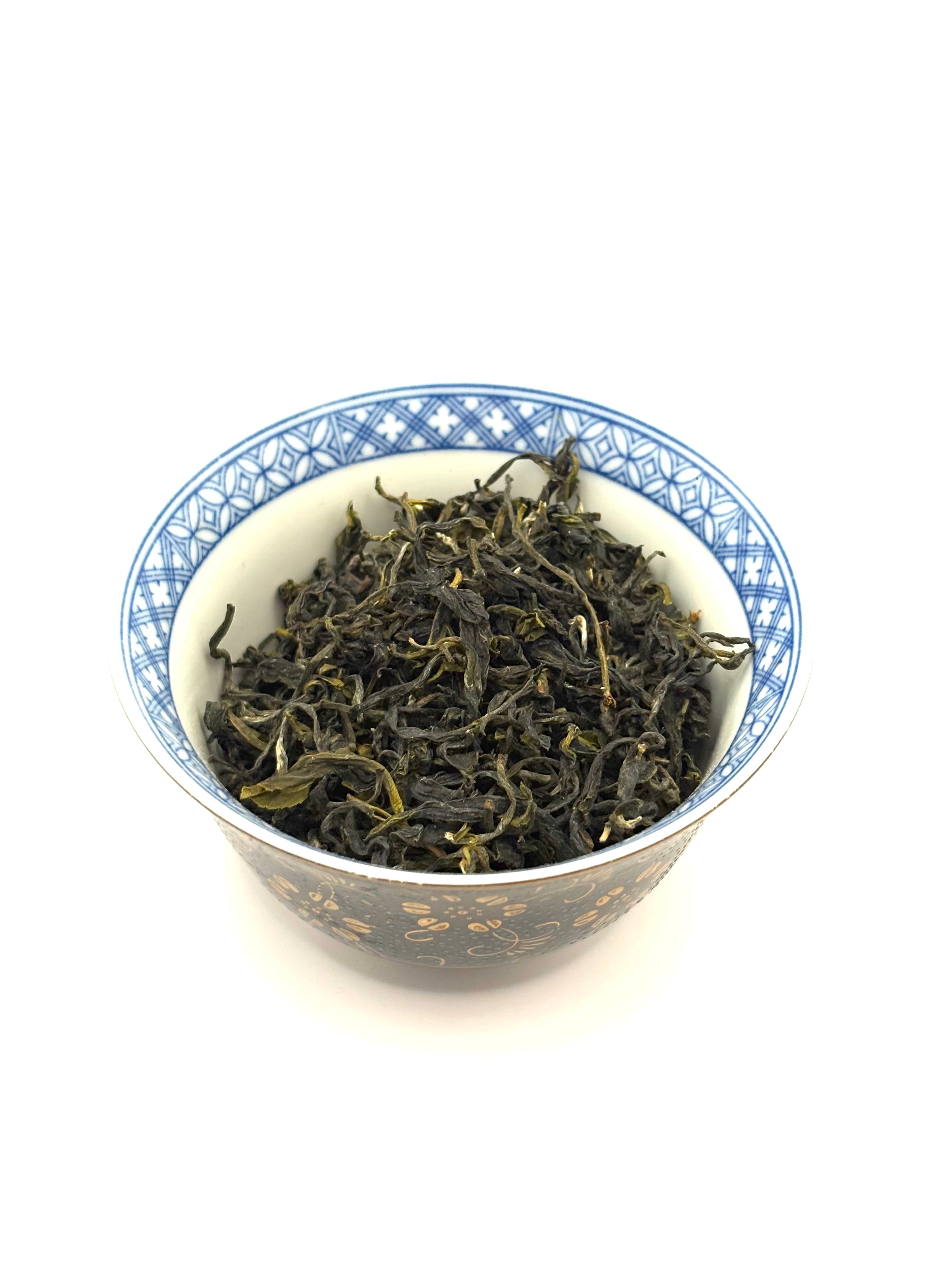
GreenBiluochun 碧螺春
Dongting Mountain, Suzhou, Jiangsu
Fruity, floral, delicate, apricot
Full guide + buying tips
 Green
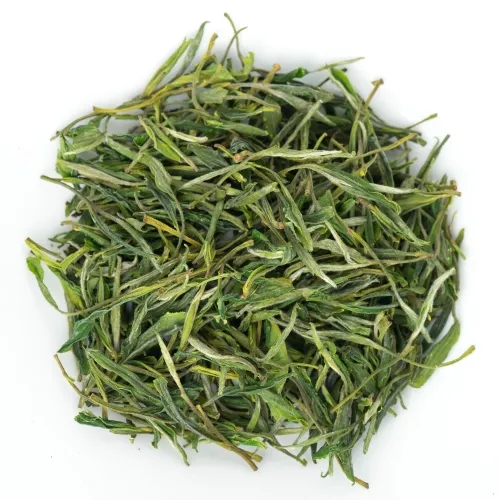
GreenHuangshan Maofeng 黄山毛峰
Huangshan (Yellow Mountain), Anhui
Fresh, orchid, sweet, lingering
Full guide + buying tips
 White
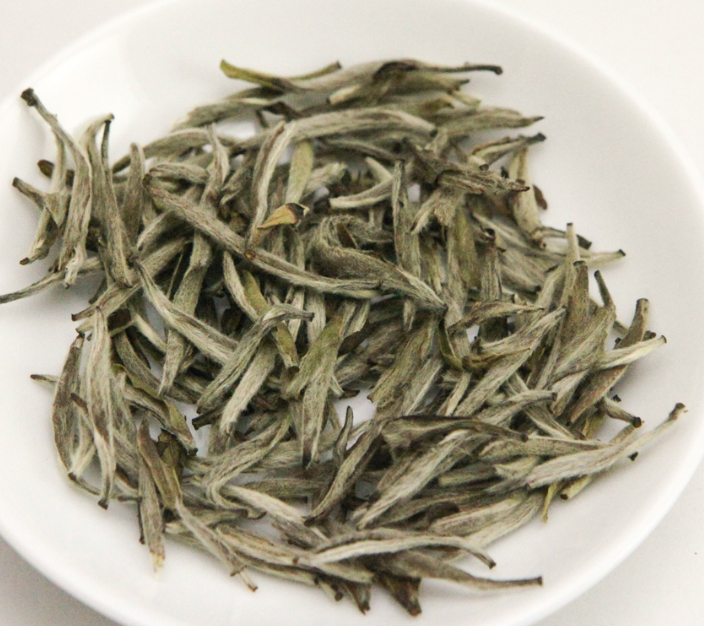
WhiteSilver Needle (Bai Hao Yin Zhen) 白毫银针
Fuding and Zhenghe, Fujian
Soft, melon, hay, natural sweetness
Full guide + buying tips
 White
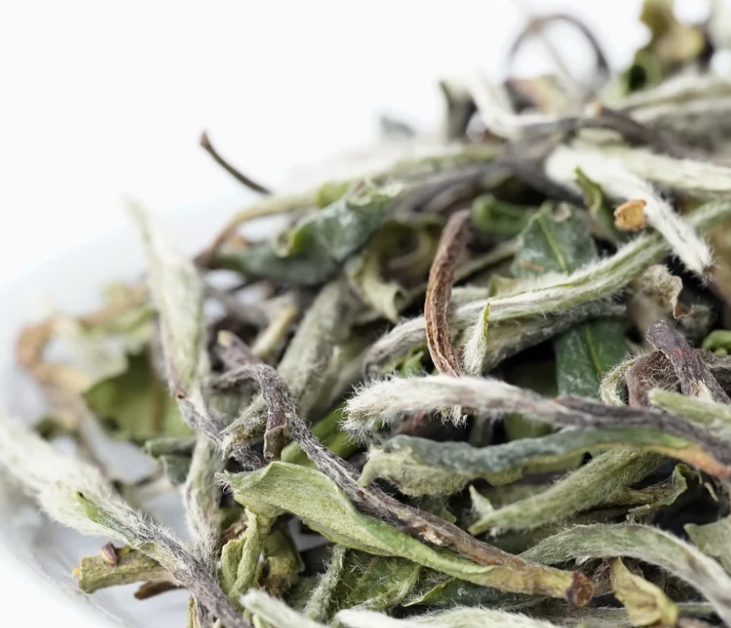
WhiteWhite Peony (Bai Mu Dan) 白牡丹
Fuding and Zhenghe, Fujian
Soft, fruity, floral, fuller body
Full guide + buying tips
 White
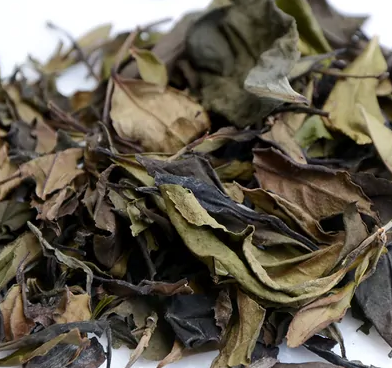
WhiteShou Mei (Longevity Eyebrow) 寿眉
Fuding and Zhenghe, Fujian
Fruity, honeyed, earthy, fuller body
Full guide + buying tips
 Yellow
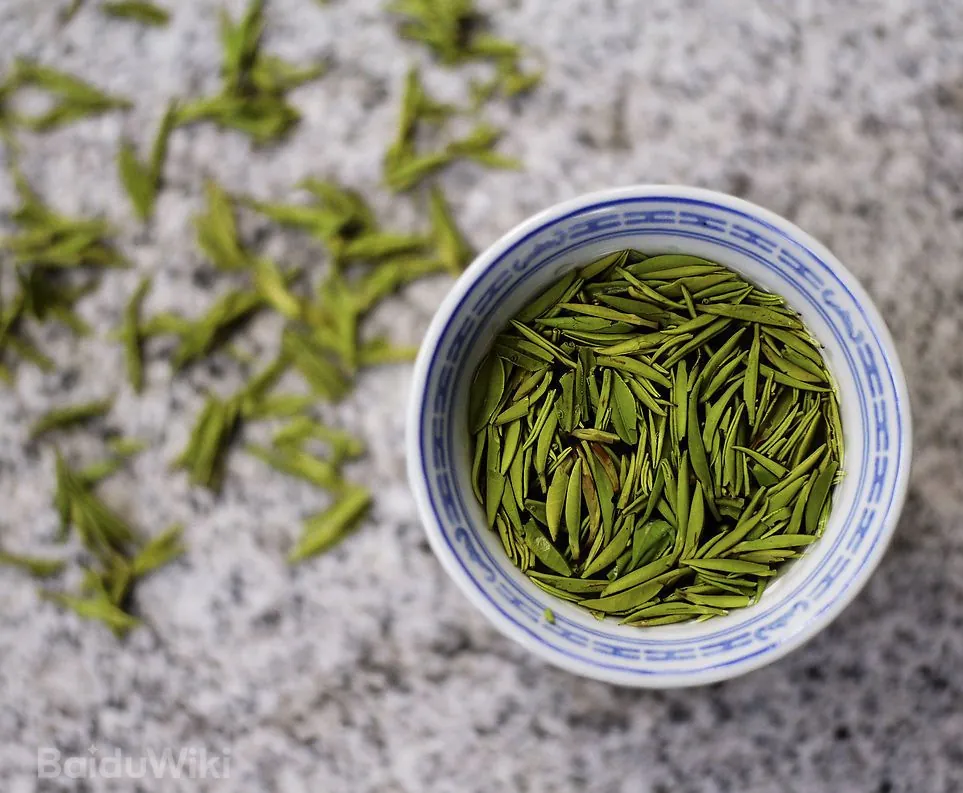
Junshan Silver Needle 君山银针
Junshan Island, Dongting Lake, Hunan
Mellow, honeyed, sweet, smooth
Full guide + buying tips
 Oolong
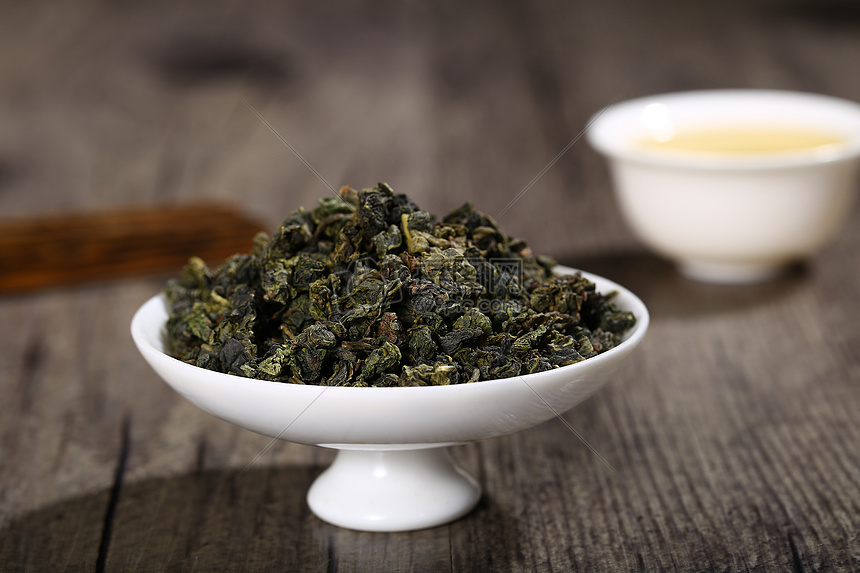
Tie Guan Yin (Iron Goddess of Mercy) 铁观音
Anxi County, Fujian
Floral, orchid, creamy, lingering sweetness
Full guide + buying tips
 Oolong
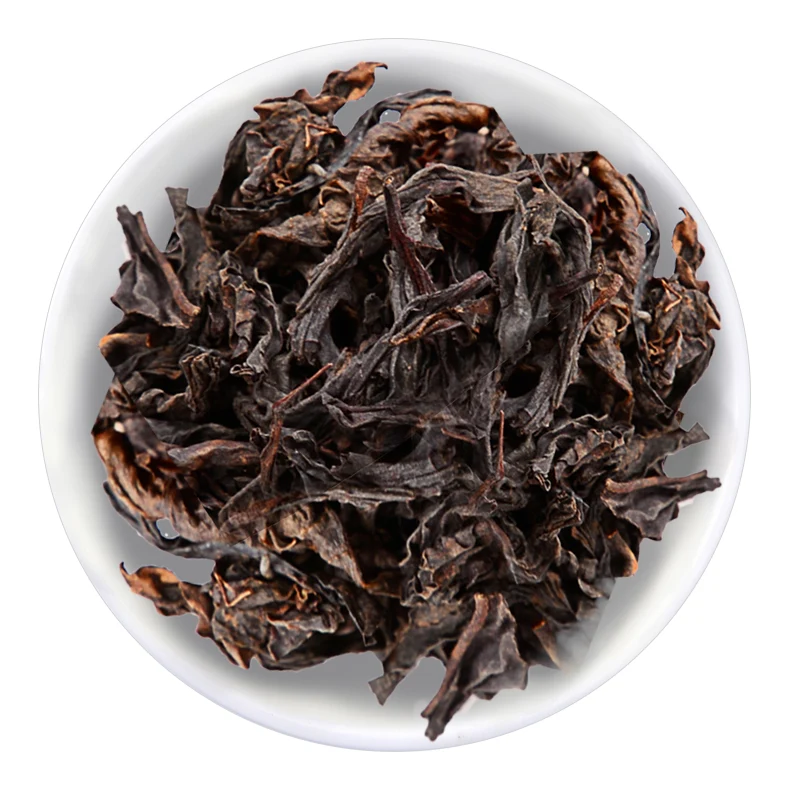
Da Hong Pao (Big Red Robe) 大红袍
Wuyi Mountains, Fujian
Roasted, mineral, dark chocolate, rock rhythm
Full guide + buying tips
 Oolong
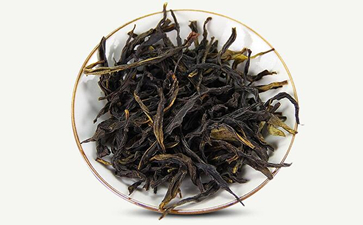
Phoenix Dan Cong 凤凰单丛
Chaozhou, Guangdong
Peach, almond, honey, complex, natural fruit
Full guide + buying tips
 Black
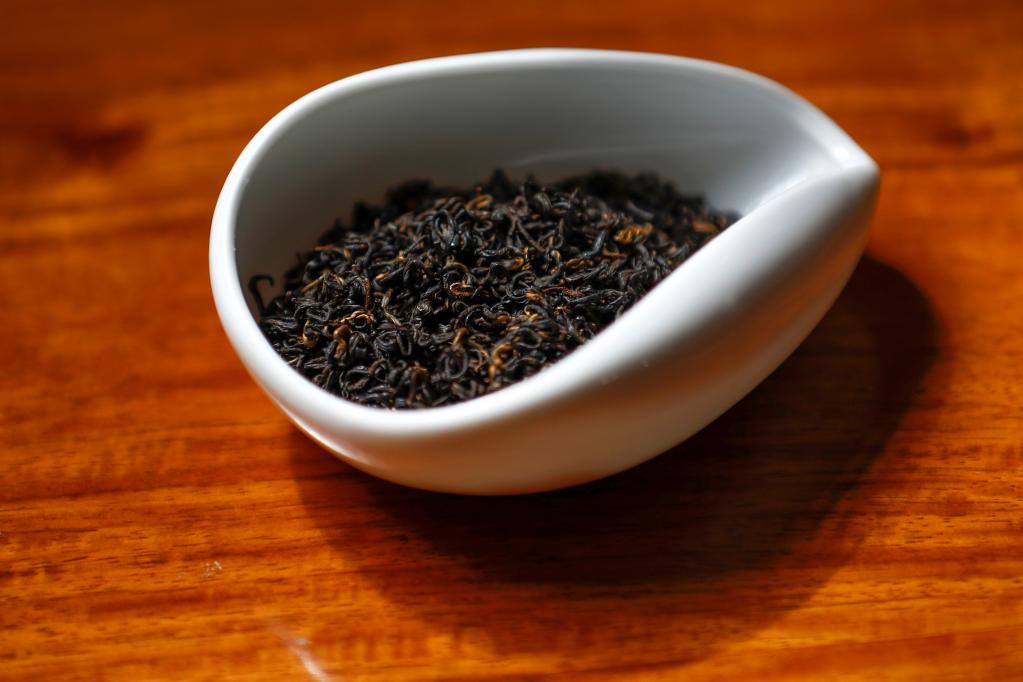
BlackKeemun (Qimen) 祁门红茶
Qimen County, Anhui
Malty, smooth, cocoa, hint of smoke
Full guide + buying tips
 Black
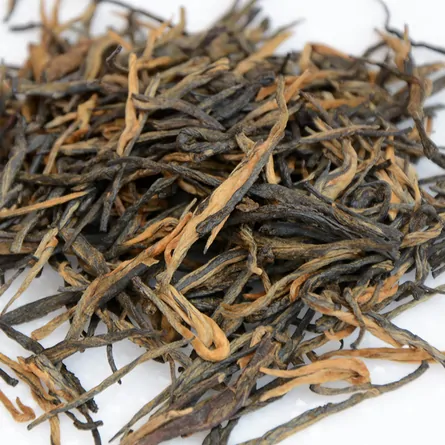
BlackDian Hong (Yunnan Black) 滇红
Fengqing and Lincang, Yunnan
Sweet potato, cocoa, rich, golden tips
Full guide + buying tips
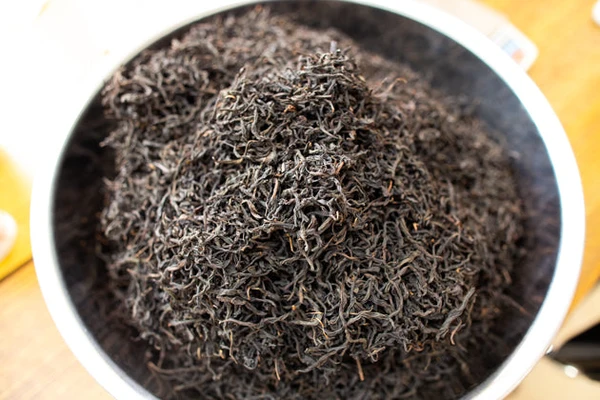 Black
BlackLapsang Souchong 正山小种
Tongmu Village, Wuyi Mountains, Fujian
Smoky, pine, bold, longan
Full guide + buying tips
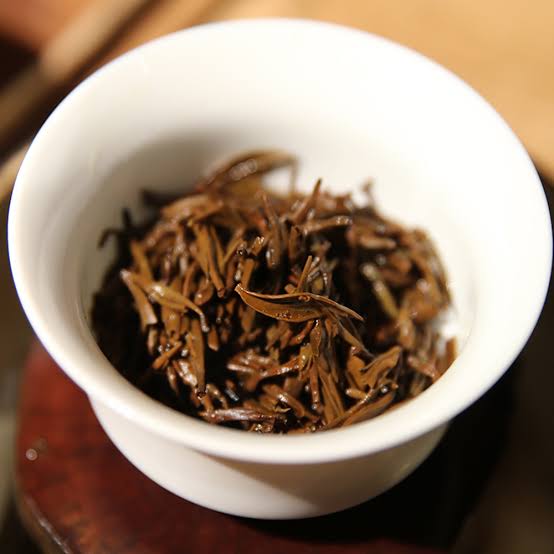 Black
BlackJin Jun Mei (Golden Eyebrow) 金骏眉
Tongmu Village, Wuyi Mountains, Fujian
Honey, lychee, sweet, no astringency
Full guide + buying tips
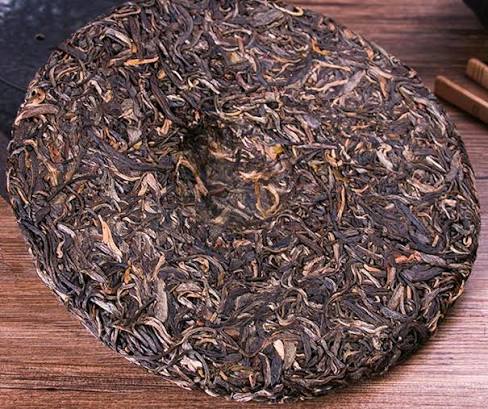 Dark
DarkPu-erh (Sheng / Raw) 生普洱
Xishuangbanna, Lincang, Pu'er, Yunnan
Green, astringent when young, ages into complexity
Full guide + buying tips
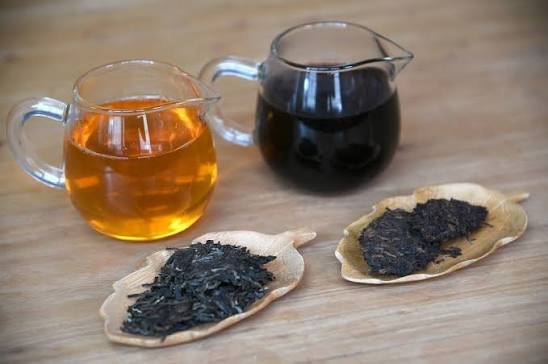 Dark
DarkPu-erh (Shou / Ripe) 熟普洱
Menghai, Xishuangbanna, Yunnan
Earthy, woody, smooth, dark chocolate
Full guide + buying tips
 Green
GreenGunpowder Green (Zhu Cha) 珠茶
Zhejiang (primarily Pingshui region)
Bold, smoky, vegetal, assertive
Full guide + buying tips
 Green
GreenAnji Bai Cha 安吉白茶
Anji County, Zhejiang
Delicate, sweet, umami, extraordinary smoothness
Full guide + buying tips
 Green
GreenTaiping Houkui (Monkey Chief) 太平猴魁
Taiping County, Huangshan, Anhui
Fresh, orchid, sweet, thick and full-bodied
Full guide + buying tips
 Green
GreenLiu'an Guapian (Melon Seed) 六安瓜片
Liu'an, Anhui
Toasty, nutty, slightly smoky, sweet
Full guide + buying tips
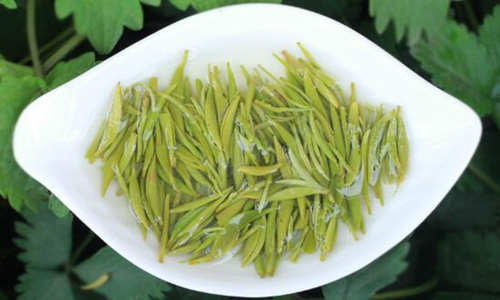 Green
GreenXinyang Maojian (Fur Peak) 信阳毛尖
Xinyang, Henan
Fresh, floral, sweet, light and brisk
Full guide + buying tips
Compare & Explore
| Tea Name ↕ | Type ↕ | Origin | Flavor | Caffeine | Beginner |
|---|---|---|---|---|---|
| Longjing (Dragon Well) 龙井 | Green | Xihu, Hangzhou, Zhejiang | Fresh, nutty, chestnut, sweet finish | Medium | ★★★★★ |
Longjing (Dragon Well)龙井 · Green Tea · Xihu, Hangzhou, Zhejiang Flavor ProfileAromaToasted chestnut, fresh-cut grass, hint of orchid TasteSmooth, sweet, nutty with a clean vegetal backbone ColorPale jade green, clear and bright BodyLight to medium, silky Caffeine: MediumBeginner: ★★★★★ Brewing GuideWater175°F (80°C) VesselGlass teapot or tall glass Gongfu Time30-45 seconds Western Time2-3 minutes Ratio2-3g per 200ml Infusions3-4 Buying GuideEntry Level$10-20 / 100g (standard grade) Premium / Collector$40-100+ / 100g (pre-Qingming, Shifeng origin) Quality Check: Flat, spear-shaped leaves with yellowish-green color. Genuine Longjing has a recognizable chestnut aroma when dry. Avoid broken or dusty leaves. Watch Out: Fake Longjing from Sichuan/Guizhou processed to look authentic. Wuniu Zao, an early-sprouting cultivar, is often sold as Longjing but lacks the chestnut aroma. Search: Longjing tea, Dragon Well tea, Xihu Longjing, Shifeng Longjing, pre-qingming Longjing History and BackgroundChina's most celebrated green tea, named after the Dragon Well spring near West Lake in Hangzhou. Designated imperial tribute tea during the Qing Dynasty. Emperor Qianlong visited the gardens and named 18 tea bushes Imperial Tea Bushes, still producing today. Ideal For: Beginners and green tea enthusiasts. Perfect for daily drinking, after meals, or as a gift. | |||||
| Biluochun 碧螺春 | Green | Dongting Mountain, Suzhou, Jiangsu | Fruity, floral, delicate, apricot | Medium | ★★★★★ |
Biluochun碧螺春 · Green Tea · Dongting Mountain, Suzhou, Jiangsu Flavor ProfileAromaFresh fruit, apricot, floral bouquet, light vegetal TasteDelicate sweetness, fruity with a hint of nuttiness, clean finish ColorPale green with silver-white tips, clear liquor BodyVery light, ethereal Caffeine: MediumBeginner: ★★★★★ Brewing GuideWater170°F (75°C) VesselTall clear glass (enjoy the visual spectacle) Gongfu Time20-30 seconds Western Time2 minutes Ratio2-3g per 200ml Infusions3 Buying GuideEntry Level$15-30 / 100g (standard grade) Premium / Collector$60-120+ / 100g (Dongting origin, pure bud) Quality Check: Tiny, tightly curled leaves covered in white down. Dry aroma should be intensely fruity. Avoid flat, unfurled, or dark leaves. Watch Out: Non-Dongting Biluochun from Zhejiang or Sichuan. Machine-harvested versions lack the downy white tips. Over-roasted imitations taste flat and lack the fruity bouquet. Search: Biluochun tea, Pi Lo Chun, Green Snail Spring, Dongting Biluochun, Suzhou green tea History and BackgroundAlso called Green Snail Spring for its tightly curled shape. Originated on Dongting Mountain near Lake Tai in Jiangsu. Legend says a tea picker ran out of basket space and carried leaves in her clothing; body heat caused the distinctive curl and fragrance. One of China's Top Ten Teas. Ideal For: Those who love light, fragrant teas. Excellent introduction to premium Chinese greens. Perfect for spring afternoons. | |||||
| Huangshan Maofeng 黄山毛峰 | Green | Huangshan (Yellow Mountain), Anhui | Fresh, orchid, sweet, lingering | Medium | ★★★★☆ |
Huangshan Maofeng黄山毛峰 · Green Tea · Huangshan (Yellow Mountain), Anhui Flavor ProfileAromaFresh orchid, vegetal sweetness, hint of chestnut TasteClean, sweet, full orchid flavor, pleasant lingering aftertaste ColorClear, pale ivory with a green tint BodyMedium-light, smooth Caffeine: MediumBeginner: ★★★★☆ Brewing GuideWater175°F (80°C) VesselGlass teapot or gaiwan Gongfu Time30-45 seconds Western Time2-3 minutes Ratio2-3g per 200ml Infusions3-4 Buying GuideEntry Level$8-15 / 100g (standard) Premium / Collector$30-60 / 100g (pre-Qingming, high-altitude) Quality Check: Leaves should bear the distinctive peak shape with white downy tips. Dry leaves are ivory-green with a slight golden tinge. Orchid aroma should be detectable in dry leaves. Watch Out: Lower-altitude imitations from non-Huangshan areas. Leaves lacking white tips indicate either poor harvest timing or machine processing. Search: Huangshan Maofeng, Yellow Mountain Fur Peak, Anhui green tea, maofeng tea History and BackgroundGrown on the mist-shrouded peaks of Huangshan (Yellow Mountain), one of China's most scenic areas and a UNESCO World Heritage Site. The maofeng name refers to the tea's appearance: mao meaning downy/furry and feng meaning peak, describing the white-tipped, peak-shaped leaves. Another Top Ten Tea. Ideal For: Green tea lovers seeking something between Longjing's nuttiness and Biluochun's fruitiness. Great afternoon tea. | |||||
| Silver Needle (Bai Hao Yin Zhen) 白毫银针 | White | Fuding and Zhenghe, Fujian | Soft, melon, hay, natural sweetness | Low | ★★★★★ |
Silver Needle (Bai Hao Yin Zhen)白毫银针 · White Tea · Fuding and Zhenghe, Fujian Flavor ProfileAromaFresh hay, honeydew melon, faint floral TasteGentle sweetness, melon, light cream, minimal astringency ColorVery pale straw, almost colorless, crystal clear BodyVery light, silky, almost water-like Caffeine: LowBeginner: ★★★★★ Brewing GuideWater175°F (80°C) VesselGlass or porcelain gaiwan Gongfu Time45-60 seconds Western Time3-5 minutes Ratio2g per 200ml Infusions3-5 Buying GuideEntry Level$15-25 / 100g (standard grade) Premium / Collector$50-100+ / 100g (Fuding origin, pure bud, early spring) Quality Check: Entirely silver-white buds, plump and uniform, covered in fine white down. Avoid buds with green or brown discoloration. Dry aroma should be clean and sweet, never musty. Watch Out: Yunnan Silver Needle (Yue Guang Bai) is sometimes sold as Fujian Silver Needle but uses a different cultivar. Aged Silver Needle is a legitimate category but verify storage conditions. Search: Silver Needle white tea, Bai Hao Yin Zhen, Fuding white tea, premium white tea History and BackgroundThe pinnacle of white tea, made exclusively from unopened buds harvested in early spring. Originated in Fuding, Fujian in the late 18th century. White tea is the least processed of all tea types, simply withered and dried, preserving the leaf's natural character. Often called the champagne of teas. Ideal For: Absolute beginners, those sensitive to caffeine, and anyone who thinks they don't like tea. Also excellent iced. The most forgiving tea to brew. | |||||
| White Peony (Bai Mu Dan) 白牡丹 | White | Fuding and Zhenghe, Fujian | Soft, fruity, floral, fuller body | Low | ★★★★★ |
White Peony (Bai Mu Dan)白牡丹 · White Tea · Fuding and Zhenghe, Fujian Flavor ProfileAromaFresh wildflowers, ripe stone fruit, faint honey TasteRicher than Silver Needle, clear fruity notes, honey sweetness, subtle floral finish ColorPale golden, bright BodyLight to medium, rounder than Silver Needle Caffeine: LowBeginner: ★★★★★ Brewing GuideWater180°F (82°C) VesselPorcelain gaiwan or glass Gongfu Time45-60 seconds Western Time3-4 minutes Ratio2-3g per 200ml Infusions4-6 Buying GuideEntry Level$10-20 / 100g (standard grade) Premium / Collector$30-60 / 100g (Fuding origin, high proportion of buds) Quality Check: Mix of silvery buds and green-brown leaves. Leaves should appear as if dancing when brewed. Dry fragrance should be fresh and mildly sweet, avoid smoky or stale notes. Watch Out: Lower-quality production using summer or autumn leaves lacks the fruity sweetness. Machine-processed versions lose the leaf integrity and visual appeal. Search: White Peony tea, Bai Mu Dan, Fuding white tea, budget white tea History and BackgroundBai Mu Dan means White Peony, the brewed leaves resemble peony petals floating in water. Second only to Silver Needle in white tea hierarchy but offers more flavor complexity at a friendlier price. A great everyday white tea. Ideal For: Those who find Silver Needle too subtle. Great value daily white tea. Pairs beautifully with light foods. | |||||
| Shou Mei (Longevity Eyebrow) 寿眉 | White | Fuding and Zhenghe, Fujian | Fruity, honeyed, earthy, fuller body | Low | ★★★★★ |
Shou Mei (Longevity Eyebrow)寿眉 · White Tea · Fuding and Zhenghe, Fujian Flavor ProfileAromaDried fruit, hay, faint honey, light earth TasteRicher and earthier than other whites, with dried-fruit sweetness and a soft, mellow finish ColorGolden amber, brighter than Silver Needle BodyMedium, round, more substance than younger whites Caffeine: LowBeginner: ★★★★★ Brewing GuideWater185°F (85°C) VesselGaiwan or glass — loose and forgiving Gongfu Time45-60 seconds Western Time3-5 minutes Ratio2-3g per 200ml Infusions4-6 Buying GuideEntry Level$8-15 / 100g (standard) Premium / Collector$25-50 / 100g (aged Shou Mei, pressed cakes) Quality Check: Larger, darker leaves mixed with buds. Dry aroma should be clean and fruity. Aged Shou Mei (white tea cakes) is a legitimately aged category with honeyed, dried-fruit depth. Watch Out: Lower-quality grades sold as premium. Shou Mei with a stale, dusty smell has been poorly stored. Search: Shou Mei white tea, Shoumei, longevity eyebrow tea, aged white tea, Fujian white tea History and BackgroundThe everyday white tea of Fujian — made from the older leaves that younger-white-tea production leaves behind. Historically the tea of farmers and tea houses, it's now valued both as an affordable daily drink and, pressed into cakes, as one of the few whites that age into something new. Ideal For: Budget-conscious daily drinkers. Great iced, great cold-brewed, and the best white tea for aging at home. | |||||
| Junshan Silver Needle 君山银针 | Yellow | Junshan Island, Dongting Lake, Hunan | Mellow, honeyed, sweet, smooth | Low | ★★★★☆ |
Junshan Silver Needle君山银针 · Yellow Tea · Junshan Island, Dongting Lake, Hunan Flavor ProfileAromaFaint honey, fresh hay, soft floral TasteExceptionally mellow and smooth — green tea's freshness with a round, honeyed, almost buttery character and no grassy edge ColorPale golden, bright and clear BodyLight to medium, silky Caffeine: LowBeginner: ★★★★☆ Brewing GuideWater175-180°F (80-82°C) VesselTall glass — the buds should stand upright, then float and sink with each steep Gongfu Time45-60 seconds Western Time2-3 minutes Ratio2-3g per 200ml Infusions4-5 Buying GuideEntry Level$20-40 / 100g (standard) Premium / Collector$60-150+ / 100g (true Junshan Island origin) Quality Check: Whole silver buds covered in down. The telltale yellow character — mellow, honeyed, no grassiness — only comes from the men huang (sealing the yellow) step. If it tastes like a green tea, the defining step was skipped. Watch Out: Much 'yellow tea' sold today never underwent the sealing-yellow step and is really green tea. Ask specifically for genuine men huang-processed Junshan Yinzhen. Search: Junshan Yinzhen, Junshan Silver Needle, yellow tea, Chinese yellow tea, Hunan yellow tea History and BackgroundThe most celebrated yellow tea, grown on Junshan Island in Dongting Lake and served as imperial tribute since the Tang Dynasty. The buds famously stand upright in a glass during brewing — a performance that made it a court favorite. Genuine yellow tea is now extraordinarily rare. Ideal For: Connoisseurs seeking the rarest category in Chinese tea. The perfect answer to 'what does yellow tea actually taste like'. | |||||
| Tie Guan Yin (Iron Goddess of Mercy) 铁观音 | Oolong | Anxi County, Fujian | Floral, orchid, creamy, lingering sweetness | Low | ★★★★☆ |
Tie Guan Yin (Iron Goddess of Mercy)铁观音 · Oolong Tea · Anxi County, Fujian Flavor ProfileAromaCaptivating orchid, lilac, light cream TasteSmooth and creamy entry, blooming floral mid-palate, long sweet finish (hui gan) ColorBright golden-green, clear BodyMedium, creamy, coating Caffeine: LowBeginner: ★★★★☆ Brewing GuideWater195°F (90°C) VesselGaiwan or small porcelain teapot Gongfu Time30-60 seconds Western Time3-4 minutes Ratio5g per 100ml (gongfu) Infusions5-8 Buying GuideEntry Level$8-15 / 100g (modern green-style) Premium / Collector$30-80+ / 100g (traditional roast, high mountain, competition grade) Quality Check: Tightly rolled dark green balls that unfurl dramatically when brewed. Dry aroma should be intensely floral. Modern style is greener and more floral; traditional style has a light charcoal roast. Watch Out: Low-altitude TGY from non-Anxi regions. Overly green versions with a seaweed note are poorly made. Pure Tie Guan Yin cultivar vs. blended Guan Yin style. Search: Tie Guan Yin, Iron Goddess of Mercy, Anxi oolong, TGY tea, Chinese oolong tea History and BackgroundNamed after the Buddhist deity Guanyin. Legend says a poor farmer named Wei Yin discovered the tea bush beneath a Guanyin temple and was rewarded for his devotion. The most famous Chinese oolong, with a distinctive ball-rolled shape and intoxicating orchid fragrance. Ideal For: The perfect entry oolong. If you enjoy floral notes, this is your tea. Equally enjoyable brewed casually or gongfu style. | |||||
| Da Hong Pao (Big Red Robe) 大红袍 | Oolong | Wuyi Mountains, Fujian | Roasted, mineral, dark chocolate, rock rhythm | Medium | ★★★☆☆ |
Da Hong Pao (Big Red Robe)大红袍 · Oolong Tea · Wuyi Mountains, Fujian Flavor ProfileAromaDeep roast, charcoal, mineral, warm stone fruit TasteBold mineral entry (yan yun or rock rhythm), dark chocolate, dried longan, lingering sweet and cooling aftertaste ColorDeep amber to dark copper BodyFull, structured, warming Caffeine: MediumBeginner: ★★★☆☆ Brewing GuideWater205°F (95°C) VesselYixing clay pot or gaiwan Gongfu Time30-50 seconds Western Time3-5 minutes Ratio5g per 100ml (gongfu) Infusions6-10+ Buying GuideEntry Level$15-30 / 100g (modern clone/cutting) Premium / Collector$80-300+ / 100g (Wuyi core area, high roast, aged) Quality Check: Dark, twisted, rope-like leaves. True Da Hong Pao has yan yun, a distinctive mineral-rock character from Wuyi's unique terroir. The original mother bushes no longer produce commercially. Watch Out: The original 6 mother bushes on Wuyi Mountain are protected and no longer harvested. All Da Hong Pao today is from clones/cuttings. Cheap Da Hong Pao may be blended with non-Wuyi teas. Authentic yancha has mineral depth that imitations lack. Search: Da Hong Pao, Big Red Robe, Wuyi rock tea, Wuyi yancha, Chinese oolong tea History and BackgroundChina's most legendary tea. Story goes that a Ming Dynasty scholar was cured of illness by tea from Wuyi's cliffs. When he later became a high official, he draped his red robe over the tea bushes in gratitude, hence Big Red Robe. The original mother bushes are over 350 years old and tourists pay to see them. A true connoisseur's tea. Ideal For: Adventurous drinkers who enjoy whiskey, dark chocolate, or roasted coffee. A winter tea that warms from within. The tea to graduate to after Tie Guan Yin. | |||||
| Phoenix Dan Cong 凤凰单丛 | Oolong | Chaozhou, Guangdong | Peach, almond, honey, complex, natural fruit | Medium | ★★★☆☆ |
Phoenix Dan Cong凤凰单丛 · Oolong Tea · Chaozhou, Guangdong Flavor ProfileAromaIntense natural fruit, peach, almond, honey, gardenia (varies by cultivar) TasteComplex and layered, the fruit fragrance is natural (no flavoring). Bitter-sweet opening, rich fruit mid-palate, enduring sweet aftertaste ColorGolden to amber, bright BodyFull, robust, mouth-filling Caffeine: MediumBeginner: ★★★☆☆ Brewing GuideWater203°F (95°C) VesselSmall gaiwan or Chaozhou clay pot Gongfu Time20-40 seconds (flash infusions) Western Time3-4 minutes Ratio5-6g per 100ml (gongfu) Infusions8-15+ Buying GuideEntry Level$15-30 / 100g (common cultivars like Mi Lan Xiang) Premium / Collector$60-200+ / 100g (rare single-bush, old tree, competition grade) Quality Check: Long, twisted, dark leaves. Dry aroma should be intensely fragrant, the fruit note should hit you immediately. Check for natural vs. added fragrance: natural Dan Cong aroma evolves across infusions; artificial fades after the first steep. Watch Out: Artificially scented Dan Cong is common, the strong fruit aroma lasts only 1-2 infusions before going flat. Genuine Dan Cong should evolve across 8+ infusions. Non-Phoenix Mountain cultivars lack the shan yun (mountain character). Search: Phoenix Dan Cong, Fenghuang Dancong, Mi Lan Xiang, Ya Shi Xiang, Chao Zhou oolong History and BackgroundFrom the Phoenix Mountain in Chaozhou, Guangdong, where tea bushes grow among fruit trees at high altitudes. Dan Cong means single bush, each tea comes from one specific bush, and each bush naturally mimics a different fragrance: honey orchid, duck shit (don't let the name fool you), almond, and more. The Chaozhou gongfu tea ceremony is considered the most refined in China. Ideal For: Serious tea explorers and flavor hunters. If you're into wine, whiskey, or single-origin coffee, Dan Cong is your tea. Each cultivar is a completely different experience. | |||||
| Keemun (Qimen) 祁门红茶 | Black | Qimen County, Anhui | Malty, smooth, cocoa, hint of smoke | Medium | ★★★★★ |
Keemun (Qimen)祁门红茶 · Black Tea · Qimen County, Anhui Flavor ProfileAromaWine-like, floral, hint of smoke, cocoa TasteSmooth, malty, rich cocoa, subtle smokiness, no bitterness ColorBright copper-red, clear BodyMedium-full, smooth, round Caffeine: MediumBeginner: ★★★★★ Brewing GuideWater200°F (93°C) VesselPorcelain teapot or gaiwan Gongfu Time30-45 seconds Western Time3-4 minutes Ratio2.5g per 200ml (Western) or 5g per 100ml (gongfu) Infusions3-5 Buying GuideEntry Level$8-15 / 100g (standard grade) Premium / Collector$25-50 / 100g (Qimen origin, Hao Ya grade) Quality Check: Small, thin, tightly twisted leaves. Dry aroma: wine-like with floral notes. Liquor should be bright copper-red, never dull brown. The Keemun fragrance is distinctive, winey, floral, slightly smoky. Watch Out: Non-Qimen black teas sold under the Keemun name. Lower grades (broken leaf, fannings) are common in tea bags. True Qimen Hao Ya consists of fine, uniform leaf tips. Search: Keemun tea, Qimen black tea, Qimen Hong Cha, Chinese breakfast tea, Anhui black tea History and BackgroundA relative newcomer (created 1875) but quickly became one of the world's three most fragrant black teas alongside Darjeeling and Uva. A key component in English Breakfast blends. Keemun is the only Chinese tea that ranks alongside the great British-style black teas. Ideal For: The natural bridge from Western black tea to Chinese tea. If you love English Breakfast or Earl Grey, start here. Excellent with or without milk. The perfect morning tea. | |||||
| Dian Hong (Yunnan Black) 滇红 | Black | Fengqing and Lincang, Yunnan | Sweet potato, cocoa, rich, golden tips | Medium | ★★★★☆ |
Dian Hong (Yunnan Black)滇红 · Black Tea · Fengqing and Lincang, Yunnan Flavor ProfileAromaSweet potato, dried fruit, cocoa, malt TasteRich, thick, naturally sweet with prominent cocoa and sweet potato notes, minimal astringency ColorDeep red-gold, bright, almost coppery BodyFull, thick, almost syrupy Caffeine: MediumBeginner: ★★★★☆ Brewing GuideWater200°F (93°C) VesselPorcelain or clay teapot Gongfu Time30-45 seconds Western Time3-5 minutes Ratio2.5g per 200ml (Western) or 5g per 100ml (gongfu) Infusions4-6 Buying GuideEntry Level$8-15 / 100g (standard) Premium / Collector$25-60 / 100g (pure golden tips/buds, ancient tree) Quality Check: Golden tips throughout, the more golden tips, the higher the grade. Leaves are large and wiry. Dry aroma: intense malt and sweet potato. Liquor is deep red with a golden ring. Watch Out: Low-tip content sold as high-grade. Dian Hong made from small-leaf cultivars lacks the characteristic richness. Pure golden tip versions at suspiciously low prices are usually imitation. Search: Dian Hong, Yunnan black tea, golden tips black tea, Yunnan red tea, Fengqing black tea History and BackgroundDeveloped in the 1930s in Fengqing, Yunnan, using the indigenous large-leaf tea trees that grow at high altitudes. Yunnan is the birthplace of all tea, and its ancient tea forests give Dian Hong a depth that other black teas can't match. One of the most forgiving and rewarding Chinese black teas. Ideal For: Those who take milk in their black tea but want to graduate to drinking it plain. The natural sweetness and thick body make it satisfying without additions. Also makes incredible iced tea. | |||||
| Lapsang Souchong 正山小种 | Black | Tongmu Village, Wuyi Mountains, Fujian | Smoky, pine, bold, longan | Medium | ★★☆☆☆ |
Lapsang Souchong正山小种 · Black Tea · Tongmu Village, Wuyi Mountains, Fujian Flavor ProfileAromaCampfire smoke, pine wood, dried longan, cedar TasteAssertive smoke upfront, pine resin, sweet dried longan underneath, surprisingly smooth finish ColorDeep red-brown, warm BodyFull, bold, warming Caffeine: MediumBeginner: ★★☆☆☆ Brewing GuideWater205°F (96°C) VesselPorcelain teapot (smoke can season clay pots permanently) Gongfu Time30-45 seconds Western Time3-4 minutes Ratio2.5g per 200ml (Western) or 5g per 100ml (gongfu) Infusions3-5 Buying GuideEntry Level$10-20 / 100g (standard smoked) Premium / Collector$30-70 / 100g (Tongmu origin, traditional pine smoke) Quality Check: Large, coarse leaves. Traditional version uses pine wood smoking. Genuine Tongmu Lapsang has balanced smoke, not acrid or chemical. Watch Out: Many Lapsang Souchong teas are artificially smoke-flavored, not traditionally pine-smoked. The real thing comes only from the Tongmu protected area. Over-smoked versions can be harsh and acrid. Search: Lapsang Souchong, Zheng Shan Xiao Zhong, smoked black tea, Tongmu black tea, Wuyi black tea History and BackgroundThe original black tea. Invented accidentally in the 17th century when Tongmu villagers had to quickly dry tea leaves over pine fires. The resulting smoky tea became wildly popular in Europe. Lapsang is the single malt whiskey of the tea world, polarizing but unforgettable. Ideal For: Whiskey and mezcal drinkers. Camping trips. Cold winter mornings. Also brilliant as a cooking ingredient. Definitely not for everyone, and that's the point. | |||||
| Jin Jun Mei (Golden Eyebrow) 金骏眉 | Black | Tongmu Village, Wuyi Mountains, Fujian | Honey, lychee, sweet, no astringency | Medium | ★★★★☆ |
Jin Jun Mei (Golden Eyebrow)金骏眉 · Black Tea · Tongmu Village, Wuyi Mountains, Fujian Flavor ProfileAromaHoney, lychee, wildflower, faint cocoa TasteUnusually sweet for a black tea — honey and lychee notes with zero astringency and a smooth, lasting finish ColorBright golden-amber, clear BodyMedium, silky and round Caffeine: MediumBeginner: ★★★★☆ Brewing GuideWater200°F (93°C) VesselGaiwan or porcelain Gongfu Time20-40 seconds Western Time3-4 minutes Ratio2.5g per 200ml (Western) or 5g per 100ml (gongfu) Infusions5-7 Buying GuideEntry Level$20-40 / 100g Premium / Collector$60-150+ / 100g (Tongmu origin, pure bud, early spring) Quality Check: Fine, golden-tipped buds, densely covered in gold. Genuine Jin Jun Mei is made only from buds from the Tongmu protected area. The honey-lychee character is unmistakable; anything thin or astringent is not the real thing. Watch Out: Cheap 'Jin Jun Mei' using ordinary leaves or later harvests — real Jin Jun Mei is bud-only from Tongmu, which makes it expensive. Leaf pieces instead of whole golden buds are a giveaway. Search: Jin Jun Mei, Jin Junmei, Golden Eyebrow tea, Wuyi black tea, Tongmu black tea History and BackgroundCreated in 2005 in Tongmu Village — the same protected area that produced the world's first black tea — by a team reviving the region's highest-grade production. Made exclusively from the bud of the local cultivar, it became a luxury tea phenomenon almost overnight, helping to fuel a black-tea renaissance in China. Ideal For: A celebration tea. If you want to show someone how sweet and smooth a black tea can be, this is the one. | |||||
| Pu-erh (Sheng / Raw) 生普洱 | Dark | Xishuangbanna, Lincang, Pu'er, Yunnan | Green, astringent when young, ages into complexity | High | ★★★☆☆ |
Pu-erh (Sheng / Raw)生普洱 · Dark Tea · Xishuangbanna, Lincang, Pu'er, Yunnan Flavor ProfileAromaYoung: green, floral, slight smoke. Aged: dried fruit, camphor, wood, medicinal TasteYoung: bright, astringent, bitter-sweet, strong hui gan. Aged: smooth, complex, dried plum, camphor, cooling ColorPale golden (young) to deep amber/copper (aged) BodyMedium to full, structured, mouth-coating Caffeine: HighBeginner: ★★★☆☆ Brewing GuideWater200-212°F (95-100°C) VesselYixing clay pot (dedicated to sheng) or gaiwan Gongfu Time15-30 seconds (young), 30-60 seconds (aged) Western Time3-5 minutes Ratio5g per 100ml (gongfu) Infusions10-20+ Buying GuideEntry Level$15-40 / 357g cake (young, generic origin) Premium / Collector$100-500+ / 357g cake (famous mountain: Lao Ban Zhang, Bing Dao, aged 10+ years) Quality Check: Pressed into cakes (bing), bricks, or tuos. Leaves should be intact, visible on surface. Young sheng is greenish; aged turns reddish-brown. Store in breathable environment. Watch Out: Fake famous mountain tea (Lao Ban Zhang claims vastly outnumber production). Aged Pu-erh artificially wet-piled. Low-quality plantation tea passed off as ancient tree (gu shu). Poor storage leading to mold. Search: Sheng Pu-erh, raw Pu-erh, aged Pu-erh, Lao Ban Zhang, Bing Dao, Yunnan Pu-erh tea History and BackgroundSheng Pu-erh is the original Pu-erh, sun-dried green tea from Yunnan's large-leaf trees, pressed and aged naturally. Like wine, it transforms with time. The famous tea horse road carried Pu-erh from Yunnan to Tibet for centuries. Ideal For: Collectors, connoisseurs, and those who enjoy watching tea evolve. The ultimate hobby tea. Young sheng pairs with rich food; aged sheng is a meditation tea. | |||||
| Pu-erh (Shou / Ripe) 熟普洱 | Dark | Menghai, Xishuangbanna, Yunnan | Earthy, woody, smooth, dark chocolate | Medium | ★★★★☆ |
Pu-erh (Shou / Ripe)熟普洱 · Dark Tea · Menghai, Xishuangbanna, Yunnan Flavor ProfileAromaDamp earth, aged wood, dark chocolate, old books TasteSmooth, earthy, woody, dark chocolate bitterness, zero astringency, naturally sweet finish ColorDark mahogany, opaque, like black coffee BodyFull, thick, velvety, almost chewy Caffeine: MediumBeginner: ★★★★☆ Brewing GuideWater212°F (100°C) VesselYixing clay pot (dedicated to shou) or gaiwan Gongfu Time15-30 seconds Western Time3-5 minutes Ratio5g per 100ml (gongfu) Infusions8-15+ Buying GuideEntry Level$10-25 / 357g cake (standard fermentation) Premium / Collector$50-150+ / 357g cake (Menghai/Dayi factory, premium leaf grade, aged) Quality Check: Pressed cake intact and firm. Dry aroma: clean earth, wood, no fishy or moldy notes. Fishy smell indicates poor fermentation, avoid. Liquor should be clear dark red, not murky. Watch Out: Poorly fermented shou with fishy/musty odor. Fake vintage claims, most shou dates to 1973 at earliest. Low-quality plantation material fermented to mask defects. Search: Shou Pu-erh, ripe Pu-erh, cooked Pu-erh, Menghai Pu-erh, Dayi Pu-erh, Yunnan dark tea History and BackgroundShou Pu-erh developed in 1973 to accelerate aging. Wet-piling ferments tea in 45-60 days, approximating decades of aging. It democratized Pu-erh, making the earthy profile accessible immediately. Ideal For: Coffee drinkers switching to tea. After heavy meals (aids digestion). Cold winter evenings. The most beginner-friendly Pu-erh and best value in dark tea. | |||||
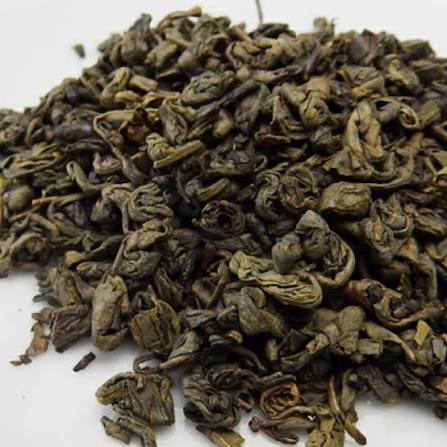
| Gunpowder Green (Zhu Cha) 珠茶 | Green | Zhejiang (primarily Pingshui region) | Bold, smoky, vegetal, assertive | Medium | ★★★☆☆ |
Gunpowder Green (Zhu Cha)珠茶 · Green Tea · Zhejiang (primarily Pingshui region) Flavor ProfileAromaSmoky, vegetal, slightly metallic TasteBold, assertive, smoky-vegetal, slightly astringent, brisk finish ColorGolden-green to amber BodyMedium-full, brisk, astringent Caffeine: MediumBeginner: ★★★☆☆ Brewing GuideWater175°F (80°C) VesselGlass or porcelain Gongfu Time30-45 seconds Western Time2-3 minutes Ratio1.5-2g per 200ml Infusions2-3 Buying GuideEntry Level$5-10 / 100g Premium / Collector$15-25 / 100g (high-grade, tight roll, consistent size) Quality Check: Tightly rolled pellets of uniform size. Should unfurl gradually when brewed. Avoid loose, broken, or dusty pellets. Watch Out: Lower-grade dust rolled to look like pellets. Machine-harvested with inconsistent size. Over-fired versions taste burnt. Search: Gunpowder green tea, Zhu Cha, pearl tea, Chinese green tea, Pingshui Gunpowder History and BackgroundNamed for its resemblance to gunpowder grains. A major Chinese export to North Africa and the Middle East, foundation of Moroccan mint tea. Tight rolling preserves freshness during shipping. Budget-friendly with real character. Ideal For: Those who find most green teas too delicate. Excellent base for Moroccan mint tea. Great value daily green tea. | |||||
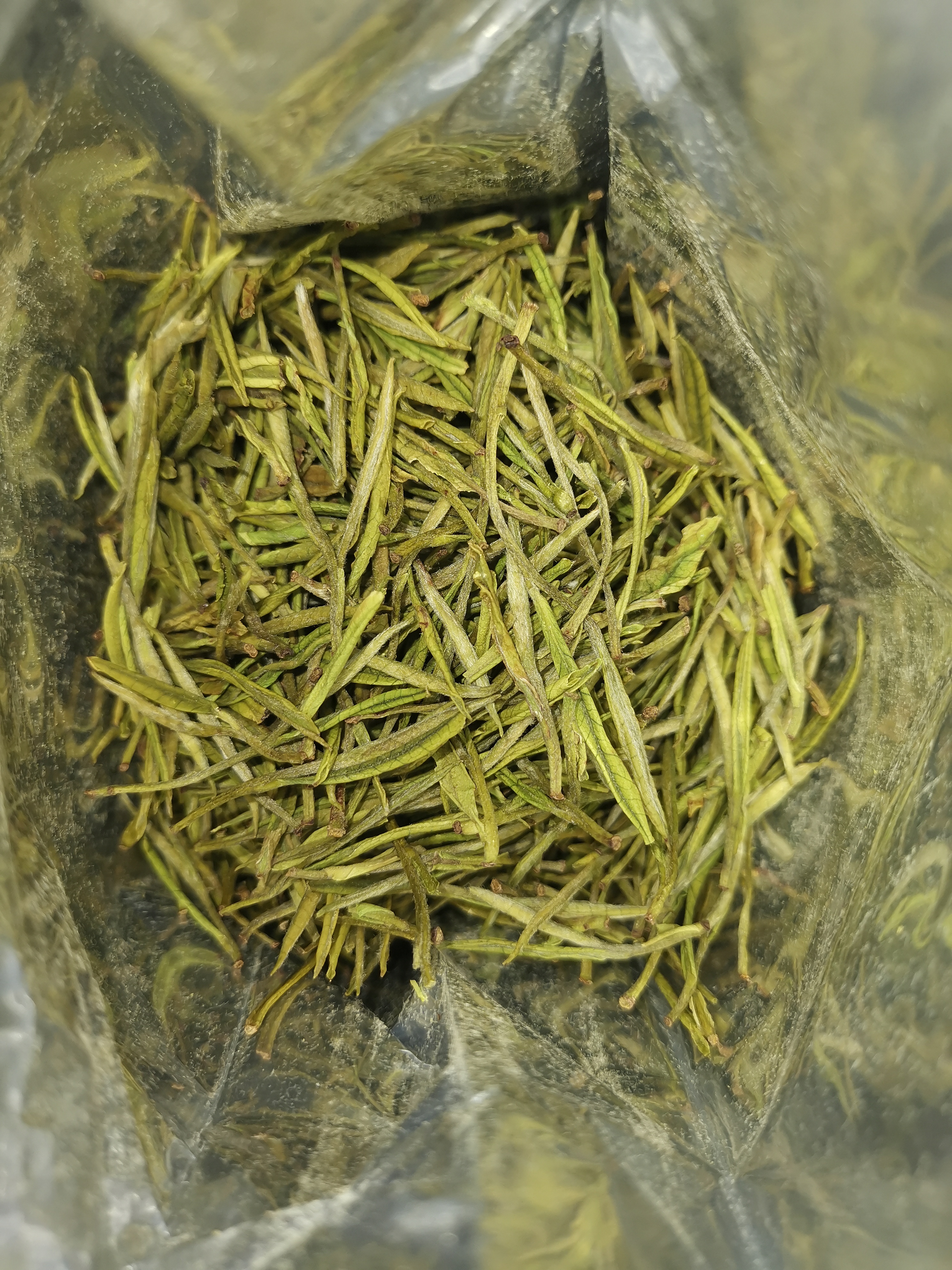
| Anji Bai Cha 安吉白茶 | Green | Anji County, Zhejiang | Delicate, sweet, umami, extraordinary smoothness | Low | ★★★★★ |
Anji Bai Cha安吉白茶 · Green Tea · Anji County, Zhejiang Flavor ProfileAromaSubtle chestnut, fresh spring water, faint floral TasteExceptionally smooth and sweet, high theanine from albino mutation gives savory umami character. Zero bitterness. ColorVery pale jade, almost translucent BodyLight, ethereal, silken Caffeine: LowBeginner: ★★★★★ Brewing GuideWater170°F (75°C) VesselTall clear glass Gongfu Time30-45 seconds Western Time2-3 minutes Ratio2-3g per 200ml Infusions3-4 Buying GuideEntry Level$20-40 / 100g (standard grade) Premium / Collector$60-150+ / 100g (pure bud, early harvest, core origin) Quality Check: Leaves pale jade-green to almost white, the prized albino characteristic. Long, needle-like shape. Any bitterness means it's not genuine. Watch Out: True Anji Bai Cha only harvested in early spring when leaves show albino trait. Counterfeits use regular green tea from non-Anji regions. Despite the name, it's a green tea not a white tea. Search: Anji Bai Cha, Anji white tea, Zhejiang green tea, high theanine tea, umami green tea History and BackgroundDespite its name (Bai Cha means white tea), Anji Bai Cha is a green tea. Discovered in the 1980s in Anji. The albino mutation causes high theanine retention (3-4x normal), giving it uniquely smooth, umami character. Rapidly becoming one of China's most sought-after modern teas. Ideal For: Those who find most green teas too bitter or grassy. The smoothest green tea you'll ever taste. Excellent cold-brewed. The ultimate beginner green tea. | |||||
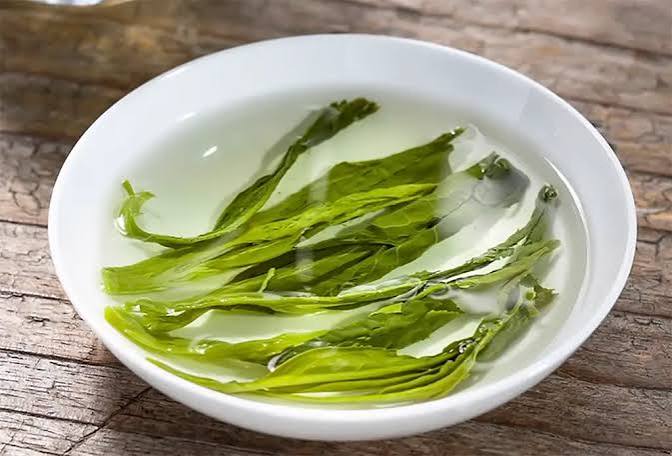
| Taiping Houkui (Monkey Chief) 太平猴魁 | Green | Taiping County, Huangshan, Anhui | Fresh, orchid, sweet, thick and full-bodied | Medium | ★★★★☆ |
Taiping Houkui (Monkey Chief)太平猴魁 · Green Tea · Taiping County, Huangshan, Anhui Flavor ProfileAromaOrchid, fresh green, faint chestnut TasteThick, sweet, full-bodied with strong orchid notes and a lingering, cooling aftertaste (hui gan) ColorPale green, bright and clear BodyFull, thick, surprisingly substantial for a green tea Caffeine: MediumBeginner: ★★★★☆ Brewing GuideWater175°F (80°C) VesselTall glass or glass teapot — admire the huge leaves standing upright Gongfu Time30-45 seconds Western Time2-3 minutes Ratio2-3g per 200ml Infusions3-4 Buying GuideEntry Level$15-30 / 100g (standard grade) Premium / Collector$50-120+ / 100g (true Taiping, hand-rolled, pre-Qingming) Quality Check: The leaves should be enormous (5-7cm), flat, and sword-shaped, with visible veins. Genuine Houkui has a thick, full-bodied character unusual for a green tea. Avoid small, broken, or machine-flattened leaves. Watch Out: Fakes from other Anhui regions with smaller leaves. Machine-pressed versions lack the orchid aroma and full body. The leaf size alone filters out most counterfeits. Search: Taiping Houkui, Monkey Chief tea, Hou Kui, Anhui green tea, Taiping green tea History and BackgroundOne of China's Ten Famous Teas, made in Taiping County near Huangshan. The name combines the village (Taiping) with a legend: tea bushes grew on a cliff reachable only by monkeys trained to pick them (hou means monkey). The tea's claim to fame is its huge, intact leaves — the largest in Chinese tea. Ideal For: Green tea lovers who want something fuller-bodied than Longjing. The 'big leaf' presentation is a visual spectacle in a glass. | |||||
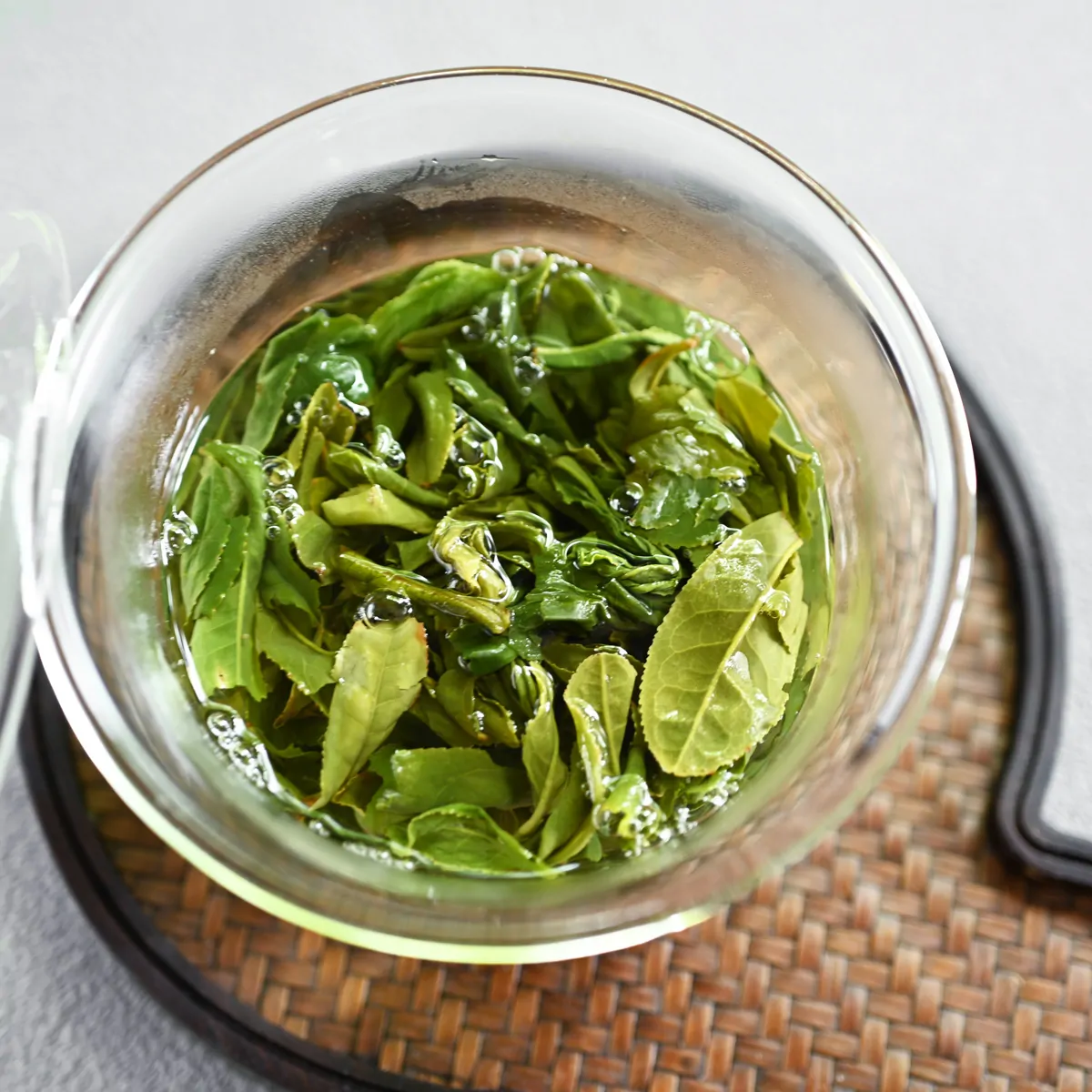
| Liu'an Guapian (Melon Seed) 六安瓜片 | Green | Liu'an, Anhui | Toasty, nutty, slightly smoky, sweet | Medium | ★★★☆☆ |
Liu'an Guapian (Melon Seed)六安瓜片 · Green Tea · Liu'an, Anhui Flavor ProfileAromaRoasted, nutty, toasted grain, faint orchid TasteToasty and nutty with a subtle smoky edge, sweet finish, and a refreshing aftertaste ColorBright yellow-green, clear BodyMedium-full, brisk Caffeine: MediumBeginner: ★★★☆☆ Brewing GuideWater185°F (85°C) VesselGlass or porcelain Gongfu Time30-45 seconds Western Time2-3 minutes Ratio2-3g per 200ml Infusions3 Buying GuideEntry Level$10-20 / 100g (standard) Premium / Collector$30-70 / 100g (true Liu'an origin, single-leaf grade) Quality Check: Rolled, dark-green flat pieces shaped like melon seeds, roughly the size of a fingernail. No buds or stems anywhere. Genuine Guapian has a toasty, slightly smoky character. Watch Out: Buds or stems mixed in signal poor production (the defining rule is second-leaf only). Non-Liu'an imitations lack the roasted depth. Search: Liu'an Guapian, Lu An Gua Pian, Melon Seed tea, Anhui green tea, roasted green tea History and BackgroundAnother Anhui Ten Famous Tea, with a 400-year history. Its unusual rule — only the second leaf, no buds, no stems — makes it the most consistently shaped tea in China. Traditionally finished with a charcoal fire, which gives it its signature toasted, faintly smoky character. Ideal For: Drinkers who find most green teas too delicate and want a green tea with roast and body. A bridge from green to oolong. | |||||
| Xinyang Maojian (Fur Peak) 信阳毛尖 | Green | Xinyang, Henan | Fresh, floral, sweet, light and brisk | Medium | ★★★★☆ |
Xinyang Maojian (Fur Peak)信阳毛尖 · Green Tea · Xinyang, Henan Flavor ProfileAromaFresh, floral, spring-like, faint chestnut TasteClean, sweet, brisk with a floral lift and a clear fresh finish ColorPale green, bright BodyLight to medium, brisk Caffeine: MediumBeginner: ★★★★☆ Brewing GuideWater175°F (80°C) VesselGlass or gaiwan Gongfu Time30-45 seconds Western Time2-3 minutes Ratio2-3g per 200ml Infusions3-4 Buying GuideEntry Level$10-18 / 100g (standard) Premium / Collector$30-60 / 100g (pre-Qingming, high-altitude gardens) Quality Check: Fine, fuzzy, needle-shaped leaves with downy tips. The best comes from the high, misty mountains around Xinyang. Dry aroma should be fresh, never dull. Watch Out: Non-Xinyang greens sold under the name. Machine-cut leaves lack the fine needle shape and downy tips. Search: Xinyang Maojian, Xin Yang Mao Jian, Henan green tea, maojian tea, fur peak tea History and BackgroundThe pride of Henan province and one of China's Ten Famous Teas, produced on the high, misty slopes of the Dabie Mountains. Its name means 'fur peak' — a reference to the downy-tipped, peak-shaped leaves. A major spring festival tea in central China. Ideal For: A clean, floral everyday green tea. Great value introduction to premium Chinese greens. | |||||
Click any tea to expand its full profile — flavor, brewing, buying tips, and history. Press / to focus search.
More Teas Worth Knowing
Famous enough to name, and worth asking about at any serious tea shop — even though they don't have full pages here yet.
Rou Gui 肉桂
Wuyi rock oolong named for its cassia-cinnamon aroma — one of the most-drunk yancha cultivars.
Shui Xian 水仙
The floral, full-bodied workhorse of Wuyi rock tea; old-bush versions are prized.
Unsmoked Lapsang 正山小种
The original black tea, made in Tongmu — before the pine smoke. Smooth, honeyed, no campfire.
Yue Guang Bai 月光白
Yunnan's 'Moonlight White' — a white tea that is sometimes passed off as Silver Needle.
Jasmine Pearls 茉莉龙珠
Hand-rolled green pearls scented over several nights with fresh jasmine blossoms.
Jin Xuan 金萱
Taiwan's 'milky' oolong cultivar, famous for a creamy, buttery note.
Oriental Beauty 东方美人
Taiwanese insect-bitten oolong with honey and muscat notes; it barely looks like an oolong.
Dong Ding 冻顶
Taiwan's classic roasted oolong — the 'frozen summit' style.
Lushan Yunwu 庐山云雾
Cloud-mist green from the mountains of Jiangxi, one of China’s Ten Famous Teas.
Meng Ding Gan Lu 蒙顶甘露
Sichuan's sweet, delicate green — one of the oldest named teas in China.
Ready to Drink Better Tea?
From your first cup to your tenth infusions — everything here moves you from curiosity to a better cup.
Related Searches