Preservation
How to Store Chinese Tea
Proper storage keeps fresh tea vibrant for months or helps aged teas develop complexity over decades. The rules differ completely depending on which type you're storing.
Fresh Green, White, Yellow
- Airtight opaque container — ceramic, tin, or dark glass. Light and air are enemies.
- Cool, dark place at room temperature. Never refrigerate; condensation ruins leaves.
- Consume within 6 to 12 months of harvest. These teas do not improve with age.
- Avoid: fridge, sunlight, plastic bags (absorb odors), proximity to spices or coffee.
Aged Oolong and Black Tea
- Light oolongs store like green tea — airtight, cool, under a year.
- Roasted oolongs keep 1 to 2 years. Some are intentionally aged.
- Black tea 1 to 2 years airtight. More forgiving but still fades.
- All benefit from a dedicated tea cabinet, not the kitchen spice rack.
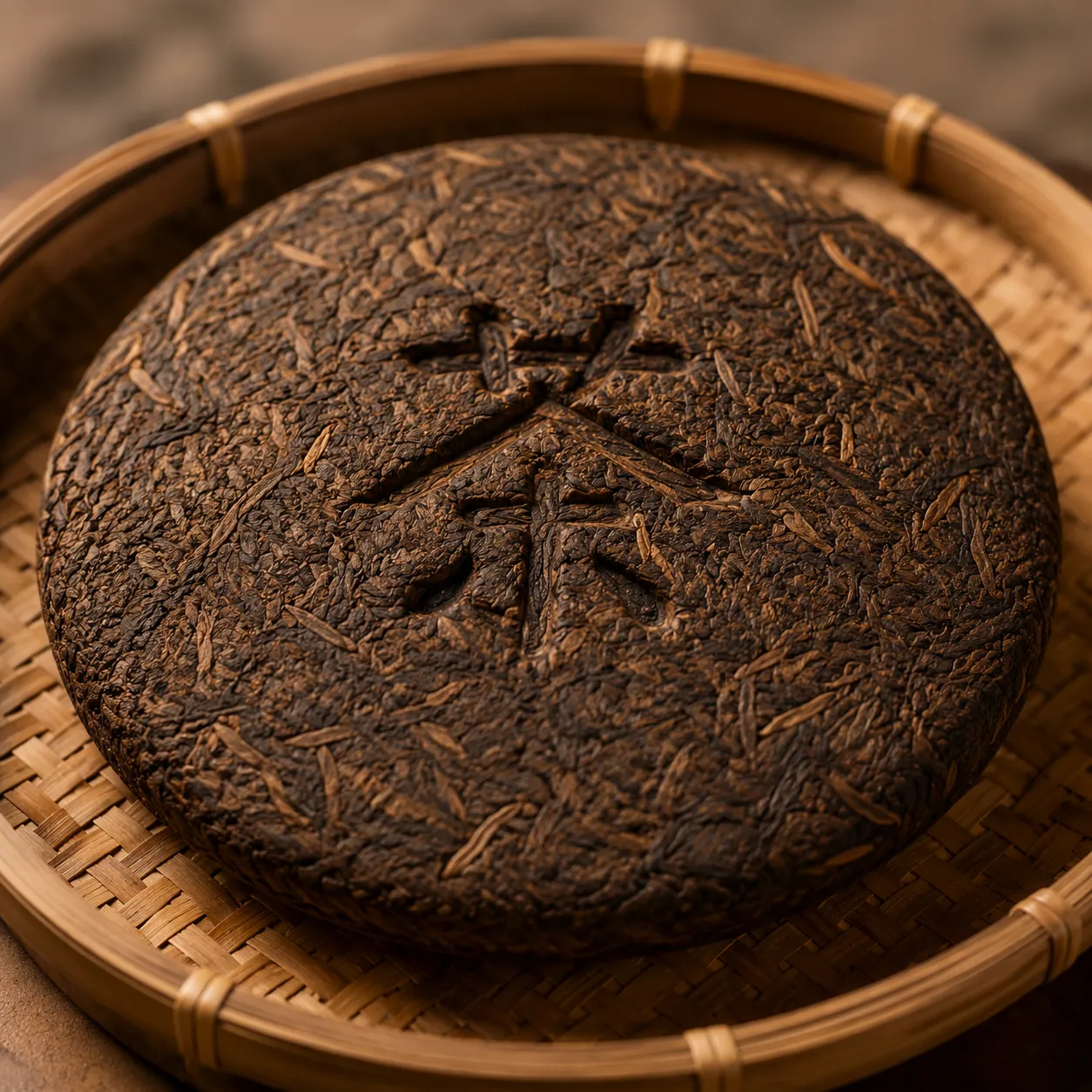
Aging Dark Tea and Pu-erh
- Breathable storage — not airtight. Pu-erh needs airflow to age.
- Stable environment — moderate humidity (60-70%), away from sun and vents.
- Away from strong odors — pu-erh absorbs everything like a sponge.
- Common mistake: sealing pu-erh in plastic stops aging. Let cakes breathe.
The Golden Rule
Fresh Tea vs Aged Tea Are Different Worlds
The single most common mistake people make is treating all tea the same. Green, white, and yellow teas are like fresh produce — they fade, so you seal them airtight and drink within a year. Pu-erh and aged whites are like wine — they evolve, so you let them breathe in a stable, slightly humid environment and wait.
If you only remember one thing: never refrigerate any tea. The condensation that forms when you open the door ruins the leaves — moisture is the enemy of every tea category except properly aged dark tea.
Ready to Drink Better Tea?
From your first cup to your tenth infusions — everything here moves you from curiosity to a better cup.
Related Searches