The Foundation
The Right Water for Chinese Tea
Tea is 99% water. Lu Yu wrote in the Tea Classic that mountain spring water is best — but what does that mean for you at home?
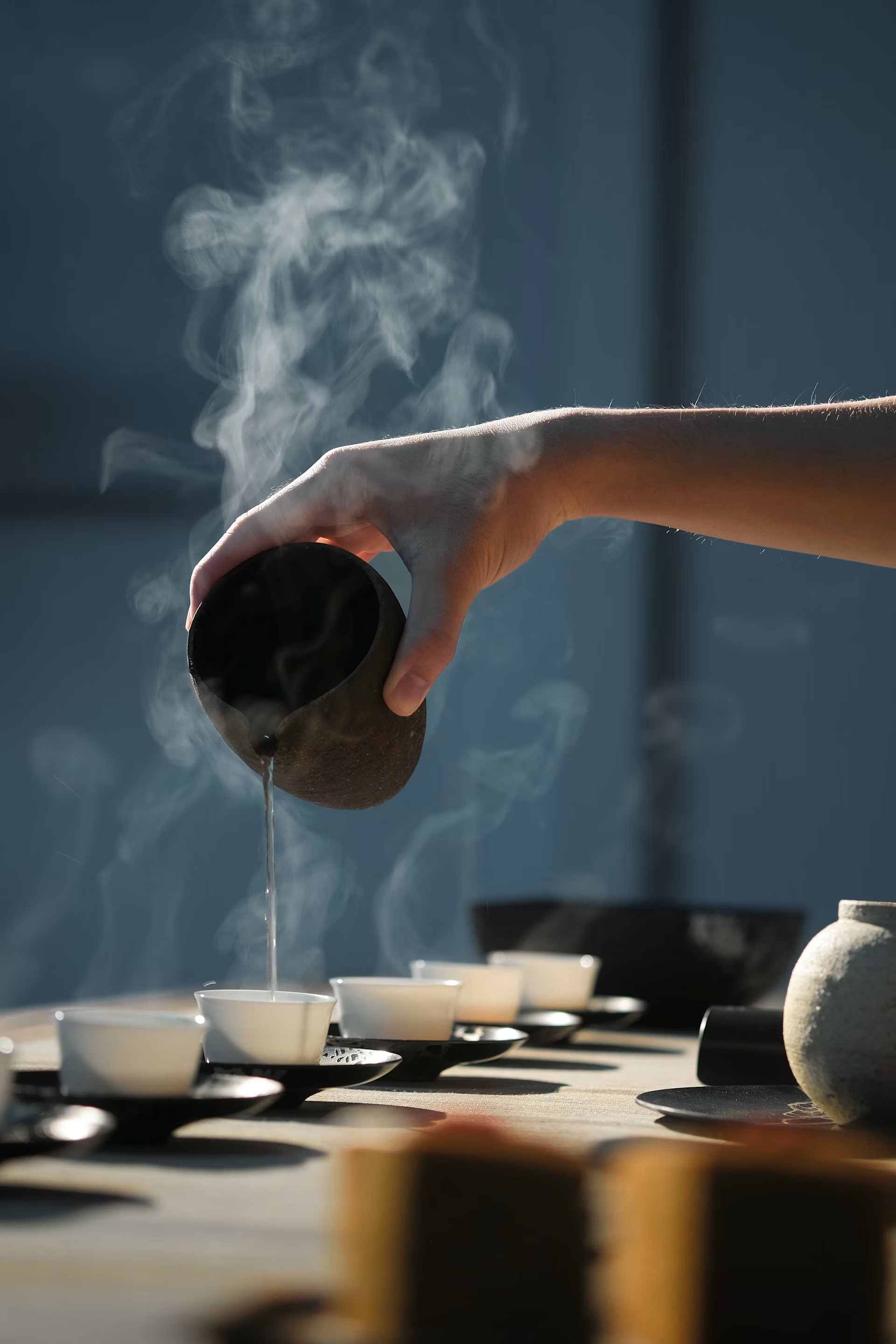
Spring Water (Bottled)
Ideal. Naturally balanced mineral content enhances the tea body and sweetness without masking flavor. Look for water with TDS (total dissolved solids) of 30-80 ppm — this is the sweet spot for most Chinese teas. Mountain spring brands like Nongfu Spring (农夫山泉) are popular among Chinese tea drinkers for good reason.
Filtered Water (Home)
The practical choice. A good activated carbon filter removes chlorine, odors, and organic compounds while preserving the helpful minerals that give tea body. This is what most serious home brewers use day to day. Replace your filter on schedule — exhausted filters do more harm than good.
Distilled / RO Water
Too pure. Reverse osmosis and distilled water have almost zero mineral content. The result is a flat, thin, hollow-tasting tea — the water pulls flavor out of the leaves but has nothing to carry it. If you must use it, add a tiny pinch of mineral salt or blend 1:1 with spring water to restore body.
Tap & Hard Water
Depends. If your tap water tastes good on its own, it will make decent tea. If it has a noticeable chlorine taste, filter it first. Hard water (high calcium/magnesium) is a problem — the minerals bind to tea compounds, suppressing aroma and creating a dull, flat brew with surface scum. Soften hard water before brewing.
The simplest rule: if the water tastes good on its own, it will make good tea. If you would not drink a glass of it plain, do not brew tea with it.
Why It Matters
What Minerals Do to Tea
Calcium & magnesium (hardness): These minerals bind to catechins and caffeine, suppressing aroma and muting flavor. Too much and you get a dull, flat brew with a scummy film on top. Soften hard water before brewing.
Bicarbonate (alkalinity): High-alkaline water makes tea darker and flatter, killing the bright, crisp notes of green and white teas.
Trace minerals (the sweet spot): A small amount of calcium and magnesium — around 30-80 ppm TDS — actually helps extract flavor and carries sweetness. This is why bottled spring water so often makes noticeably better tea than tap.
Ready to Drink Better Tea?
From your first cup to your tenth infusions — everything here moves you from curiosity to a better cup.
Related Searches