Wellness
Health Benefits of Chinese Tea
For centuries, Chinese tea has been valued not just for flavor but for its effects on body and mind. Modern science is now catching up with tradition.
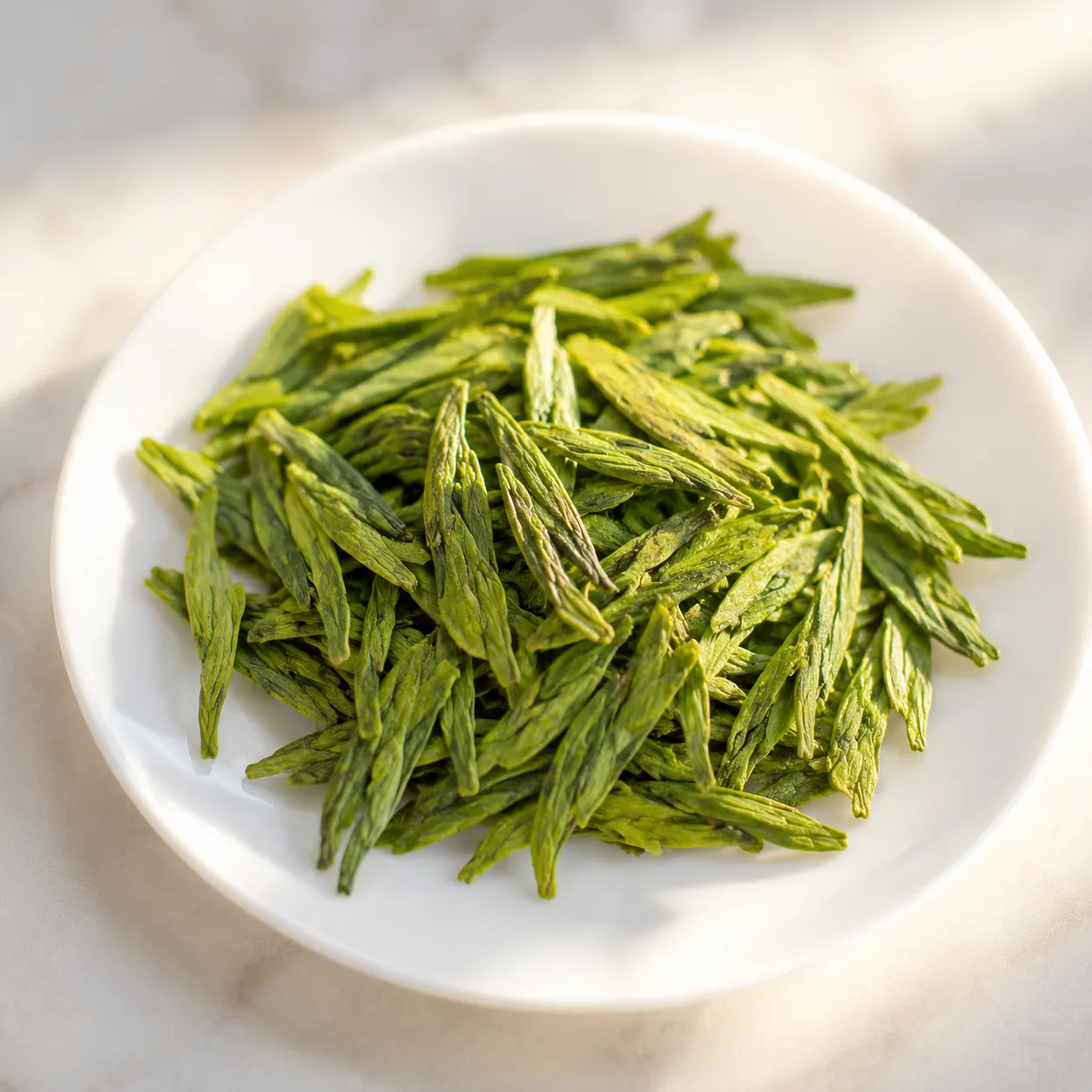
Rich in Antioxidants
Chinese tea, especially green and white varieties, is packed with catechins, a class of polyphenol antioxidants. The most studied is EGCG (epigallocatechin gallate), which research suggests may help reduce oxidative stress and support cellular health. Green tea typically contains 30-40% catechins by dry weight — among the highest of any food. [source]
Calm Focus (L-Theanine)
Tea is the only natural source of L-theanine, an amino acid that promotes relaxed alertness. It increases alpha brain waves — the same state associated with meditation — while counteracting caffeine jitters. This is why tea drinkers describe the energy as a calm, sustained focus rather than the spike and crash of coffee. Matcha and shade-grown teas are particularly high in L-theanine. [source]
Heart & Metabolic Health
Regular tea consumption has been linked to improved cardiovascular markers in multiple large-scale studies. The combination of catechins and moderate caffeine may also support metabolic rate. Dark teas like Pu-erh have traditionally been consumed after heavy meals for their perceived digestive benefits — a custom now being studied for its effects on lipid metabolism. [source]
Caffeine in Chinese Tea vs. Coffee
An 8oz cup of coffee contains ~95mg of caffeine. Chinese tea varies widely by type and brewing method:
Multiple short gongfu infusions release caffeine more gradually than a single long Western steep. L-theanine in tea smooths out the caffeine curve, producing alert calm rather than a spike.
Honest Notes
What Tea Won't Do
Tea is a wonderful beverage with genuine, well-studied compounds — but it is not medicine. It should complement, not replace, a balanced diet and healthy lifestyle. Consult a healthcare professional for specific health concerns.
The tradition is worth taking seriously, though. The Chinese custom of drinking tea after heavy meals — especially pu-erh — reflects something real: the earthy, fermented character genuinely helps settle a full stomach, which is why it has survived a thousand years of practice.
Ready to Drink Better Tea?
From your first cup to your tenth infusions — everything here moves you from curiosity to a better cup.
Related Searches