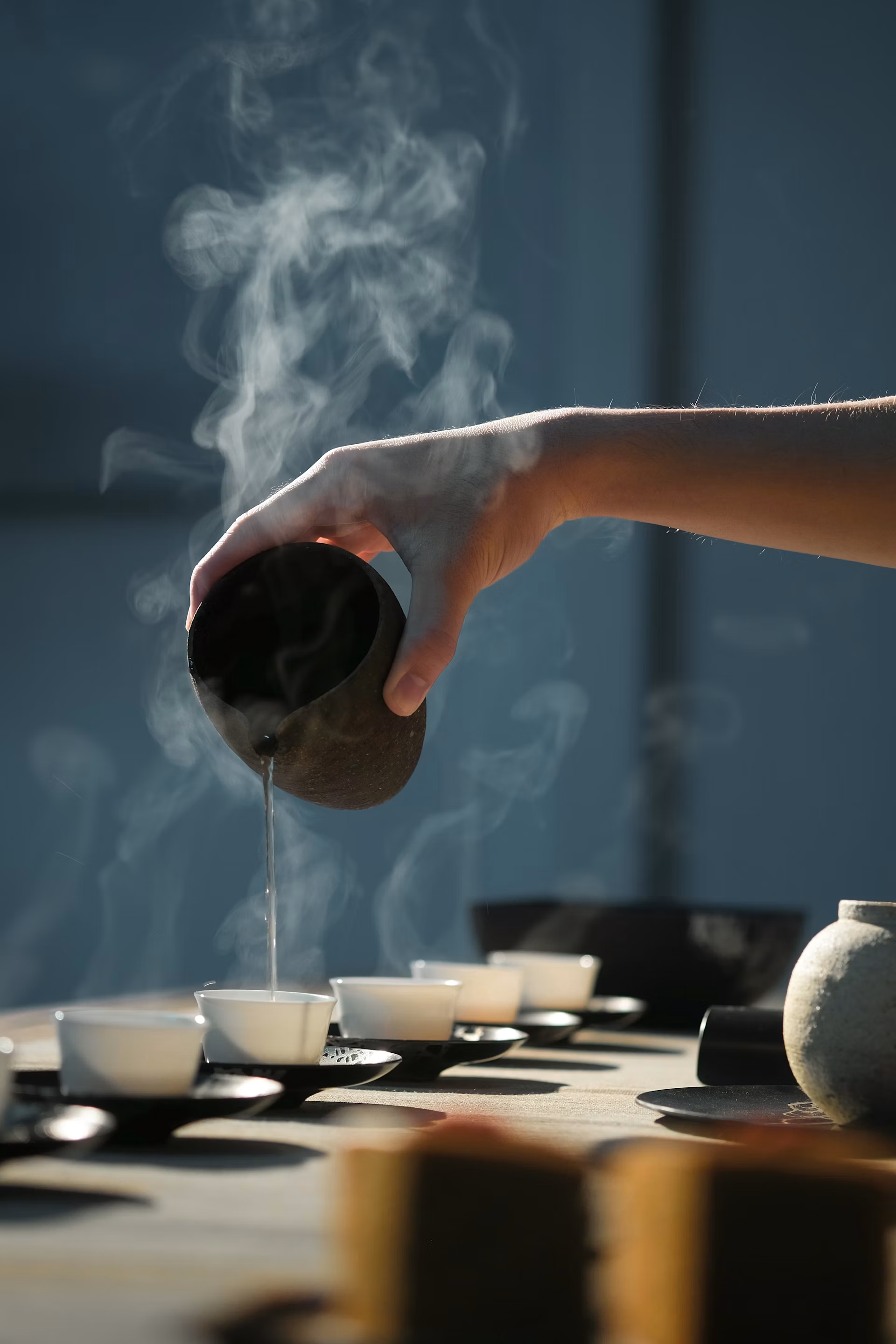
Chinese Tea Guide
From six types to your perfect cup
Every type of Chinese tea comes from one plant — and everything else is craft. Practical guides to 21 famous teas, exact brewing temperatures, buying tips, and the culture behind 4,000 years of drinking.
Tea Explorer
Tea Detail Pages
Twenty-one iconic teas — each with its own page covering flavor profile, exact brewing parameters, buying tips, common scams, and history.
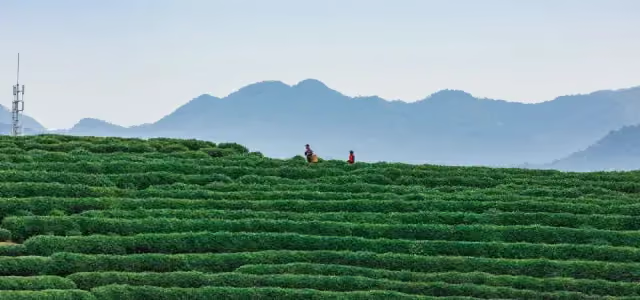
Longjing (Dragon Well) 龙井
Xihu, Hangzhou, Zhejiang
Fresh, nutty, chestnut, sweet finish
Full guide + buying tips
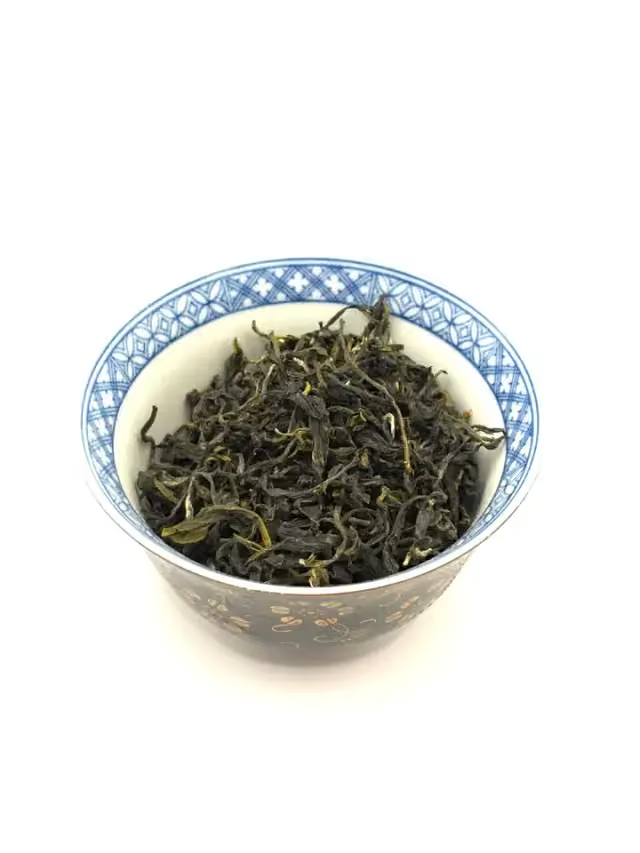
Biluochun 碧螺春
Dongting Mountain, Suzhou, Jiangsu
Fruity, floral, delicate, apricot
Full guide + buying tips
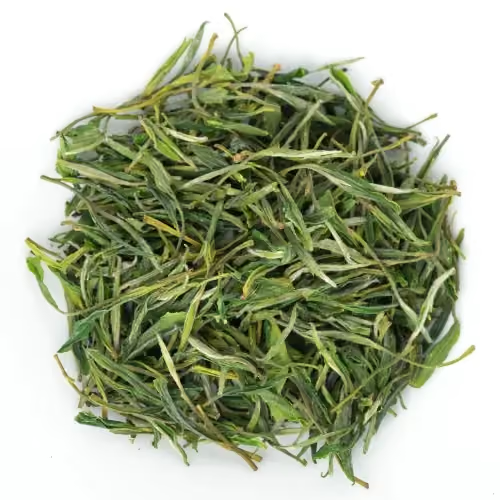
Huangshan Maofeng 黄山毛峰
Huangshan (Yellow Mountain), Anhui
Fresh, orchid, sweet, lingering
Full guide + buying tips
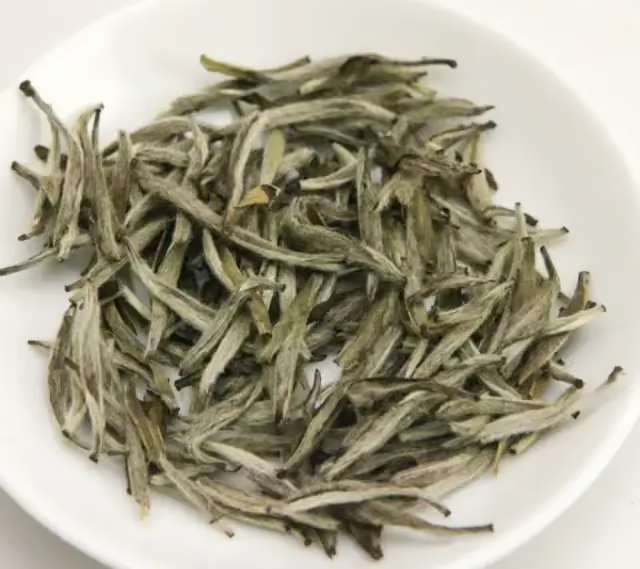
Silver Needle (Bai Hao Yin Zhen) 白毫银针
Fuding and Zhenghe, Fujian
Soft, melon, hay, natural sweetness
Full guide + buying tips
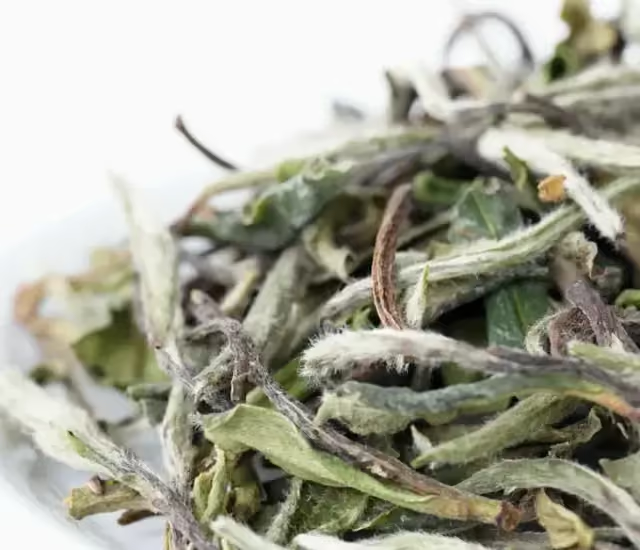
White Peony (Bai Mu Dan) 白牡丹
Fuding and Zhenghe, Fujian
Soft, fruity, floral, fuller body
Full guide + buying tips
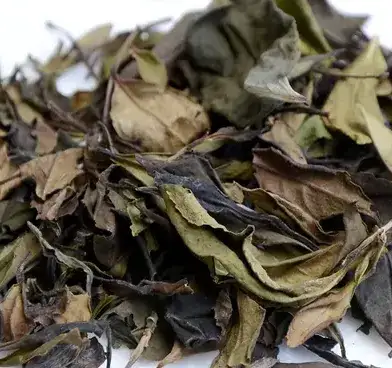
Shou Mei (Longevity Eyebrow) 寿眉
Fuding and Zhenghe, Fujian
Fruity, honeyed, earthy, fuller body
Full guide + buying tips
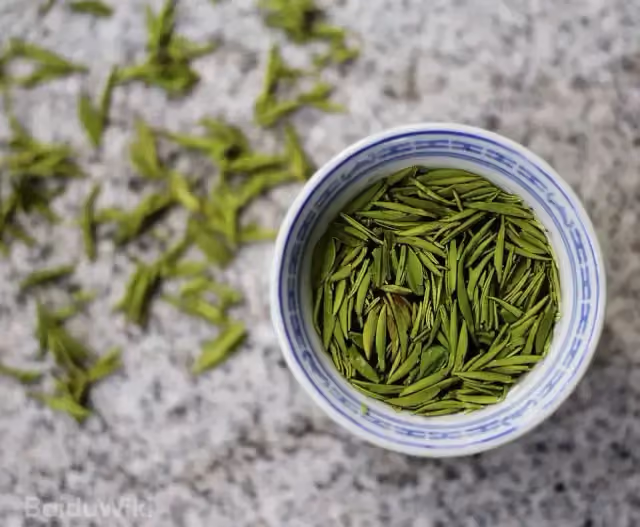
Junshan Silver Needle 君山银针
Junshan Island, Dongting Lake, Hunan
Mellow, honeyed, sweet, smooth
Full guide + buying tips
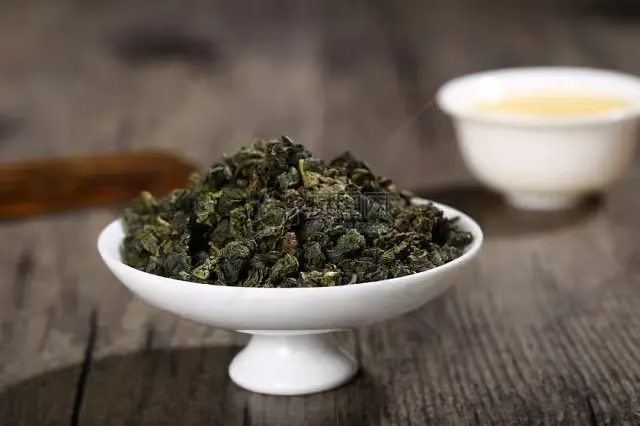
Tie Guan Yin (Iron Goddess of Mercy) 铁观音
Anxi County, Fujian
Floral, orchid, creamy, lingering sweetness
Full guide + buying tips
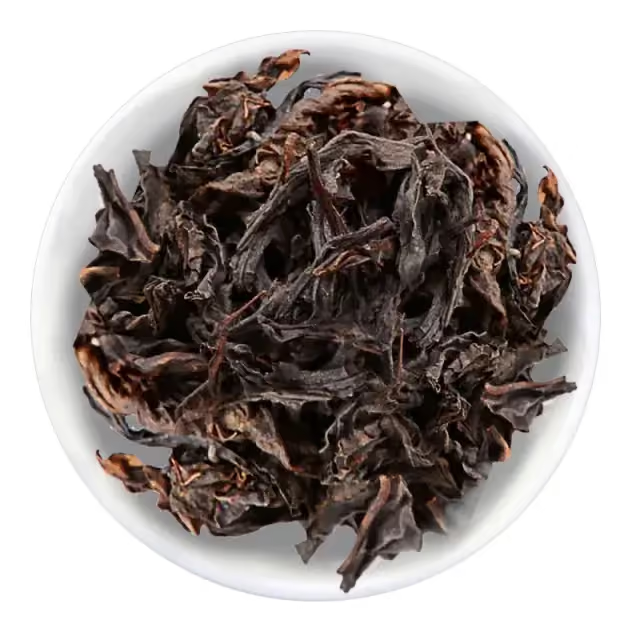
Da Hong Pao (Big Red Robe) 大红袍
Wuyi Mountains, Fujian
Roasted, mineral, dark chocolate, rock rhythm
Full guide + buying tips
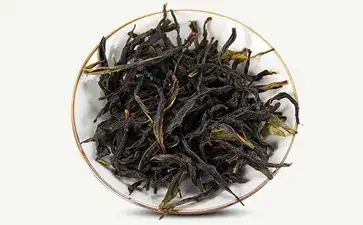
Phoenix Dan Cong 凤凰单丛
Chaozhou, Guangdong
Peach, almond, honey, complex, natural fruit
Full guide + buying tips
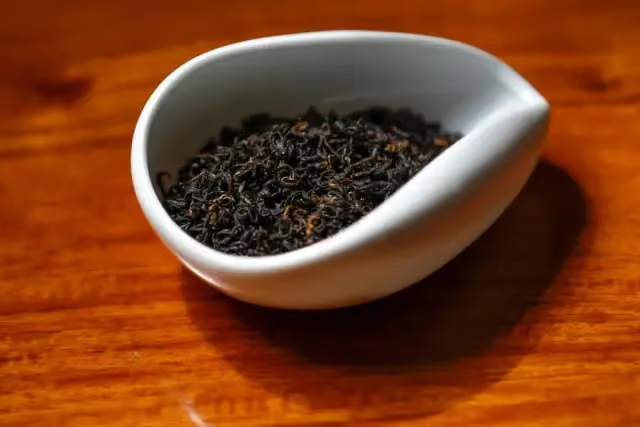
Keemun (Qimen) 祁门红茶
Qimen County, Anhui
Malty, smooth, cocoa, hint of smoke
Full guide + buying tips
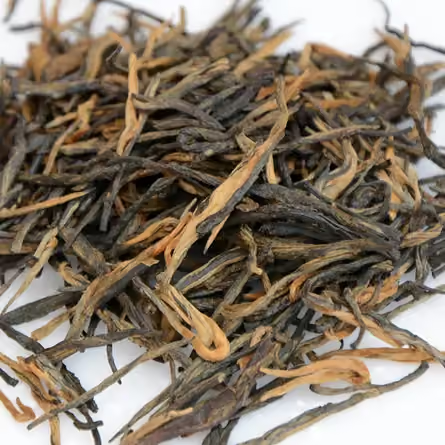
Dian Hong (Yunnan Black) 滇红
Fengqing and Lincang, Yunnan
Sweet potato, cocoa, rich, golden tips
Full guide + buying tips
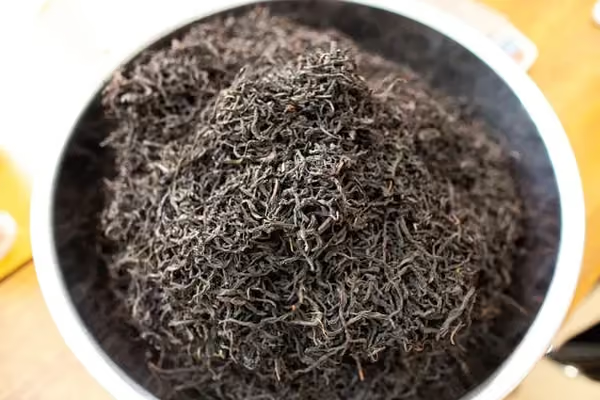
Lapsang Souchong 正山小种
Tongmu Village, Wuyi Mountains, Fujian
Smoky, pine, bold, longan
Full guide + buying tips
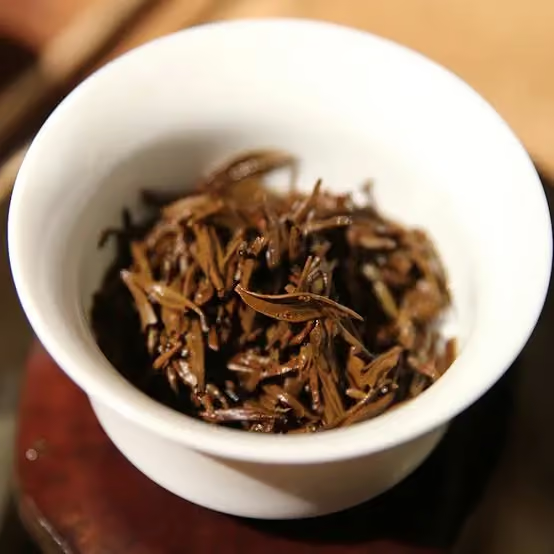
Jin Jun Mei (Golden Eyebrow) 金骏眉
Tongmu Village, Wuyi Mountains, Fujian
Honey, lychee, sweet, no astringency
Full guide + buying tips
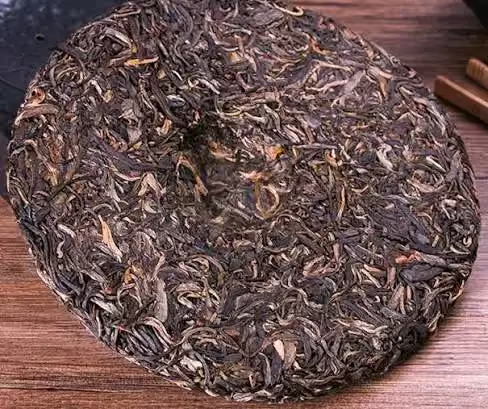
Sheng Pu-erh Tea (Raw Pu-erh) 生普洱
Xishuangbanna, Lincang, Pu'er, Yunnan
Bright, astringent when young, ages into complex camphor and dried fruit notes
Full guide + buying tips
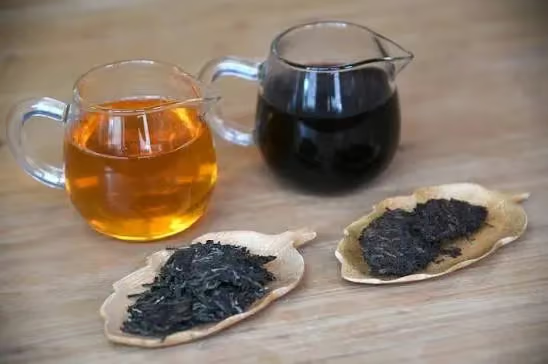
Pu-erh (Shou / Ripe) 熟普洱
Menghai, Xishuangbanna, Yunnan
Earthy, woody, smooth, dark chocolate
Full guide + buying tips
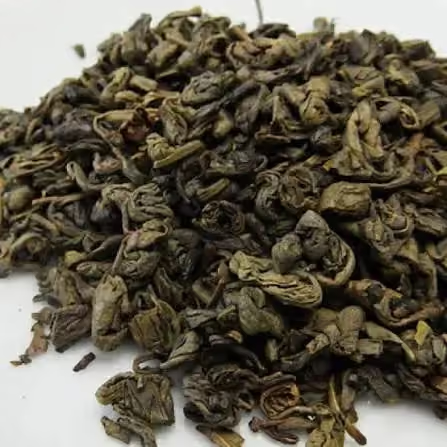
Gunpowder Green (Zhu Cha) 珠茶
Zhejiang (primarily Pingshui region)
Bold, smoky, vegetal, assertive
Full guide + buying tips
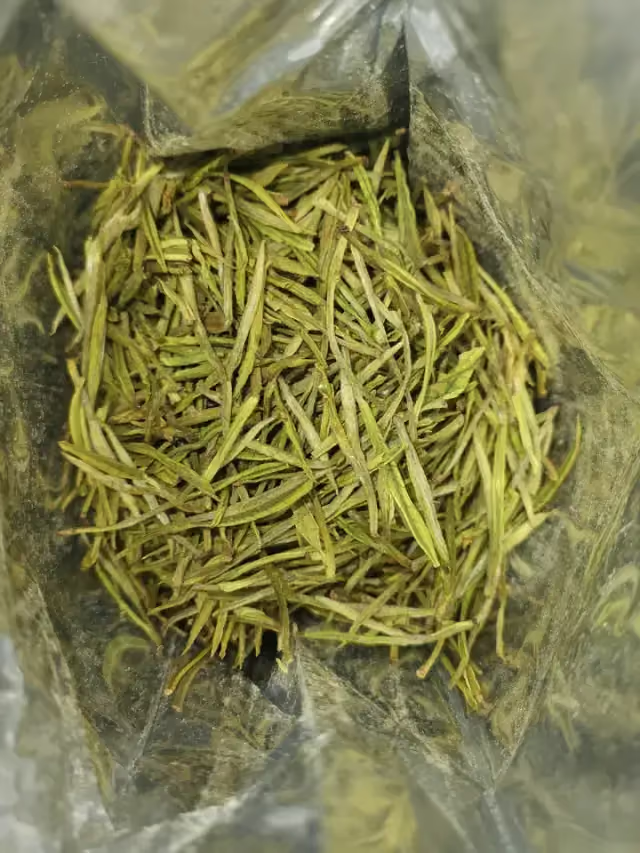
Anji Bai Cha 安吉白茶
Anji County, Zhejiang
Delicate, sweet, umami, extraordinary smoothness
Full guide + buying tips
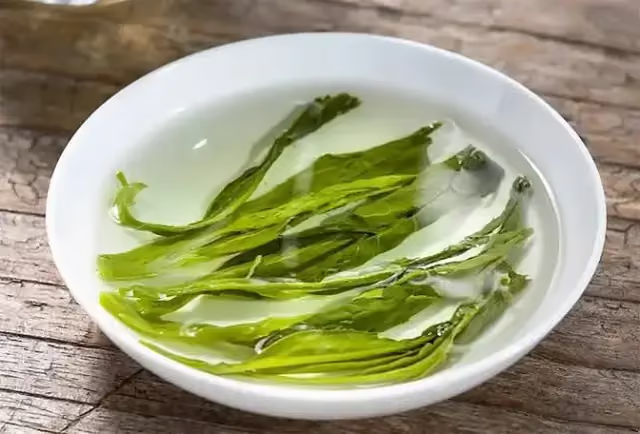
Taiping Houkui (Monkey Chief) 太平猴魁
Taiping County, Huangshan, Anhui
Fresh, orchid, sweet, thick and full-bodied
Full guide + buying tips
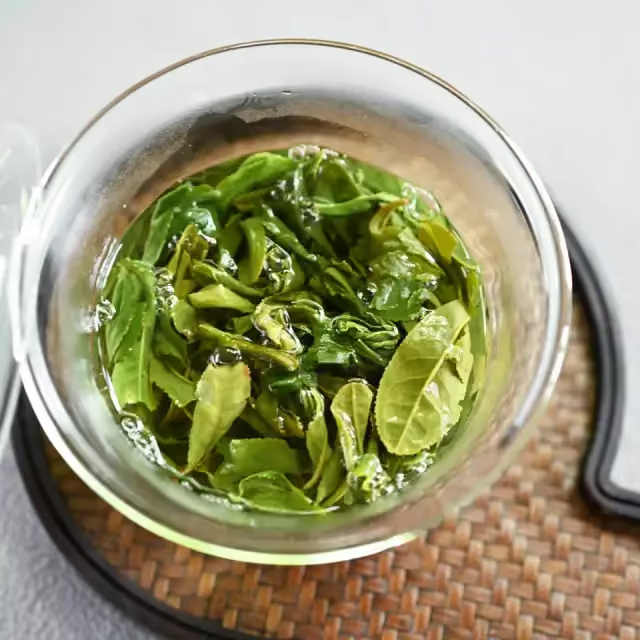
Liu'an Guapian (Melon Seed) 六安瓜片
Liu'an, Anhui
Toasty, nutty, slightly smoky, sweet
Full guide + buying tips
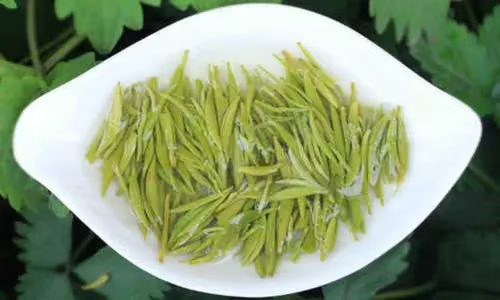
Xinyang Maojian (Fur Peak) 信阳毛尖
Xinyang, Henan
Fresh, floral, sweet, light and brisk
Full guide + buying tips
Compare & Search
Explore Every Tea Side by Side
All 21 famous teas in one filterable table — flavour, brewing parameters, caffeine, and price at a glance.
Filter by type, search by flavour, expand any row for brewing and buying details.
Why This Guide Exists
Most search results for Chinese tea give you one of three things: a Wikipedia-level overview (authoritative but impersonal), a commerce site trying to sell you tea (biased toward their inventory), or a surface-level listicle with photos and one-sentence descriptions (shallow on practical details).
This guide does what none of them do: it gives you actionable, experience-based information — exact brewing temperatures, realistic price ranges, common scams per tea, and quality checks — without any commercial agenda. Six types. Twenty-one famous teas. Every one with a full buying and brewing guide. Built for someone who genuinely wants to understand Chinese tea.
Know the Types
Green, white, oolong, black & more — understand the 6 categories at a glance
Match Your Taste
Tell us what flavors you enjoy — we'll recommend the right tea for your palate
Brew Like a Pro
Master water temperature, steeping time, and the right teaware for a perfect cup
Completely new to tea? Start with the beginner's guide — it's the shortest path to a proper cup.
At a Glance
Quick Comparison
| Type | Oxidation | Caffeine | Brew Temp | Beginner | Price Range |
|---|---|---|---|---|---|
| Green | 0% (unoxidized) | Medium | 160-175°F | ★★★★★ | $5-40 / 100g |
| White | 0% (unoxidized) | Low | 175-185°F | ★★★★★ | $10-60 / 100g |
| Yellow | 5-10% (lightly oxidized) | Low | 175-185°F | ★★★★★ | $15-80 / 100g |
| Oolong | 10-70% (partially oxidized) | Low-Medium | 185-205°F | ★★★★★ | $8-200+ / 100g |
| Black | 100% (fully oxidized) | Medium | 195-212°F | ★★★★★ | $8-50 / 100g |
| Dark | Post-fermented | Medium-High | 200-212°F | ★★★★★ | $10-500+ / 357g |
★ = beginner-friendly scale (5 = great starting point). Prices are loose-leaf ranges from specialist vendors; premium and collector lots cost far more.
Interactive
Find Your Chinese Tea
Not sure where to start? Tell us what you like, and we'll recommend the right Chinese tea for your palate.
Prefer to browse? Explore every tea organized by taste in the Chinese Tea Flavour Guide.
How To
How to Brew Chinese Tea
Each tea type has its own ideal temperature, time, and vessel. Master the basics for a perfect cup every time.
Brewing Green Tea
Water Temperature
160-175°F (70-80°C)
Steeping Time
2-3 minutes
Best Vessel
Glass teapot or gaiwan
Leaf-to-Water Ratio
2g per 200ml
Pro Tips
Never use boiling water; it burns the leaves and creates bitterness. Watch the leaves dance in a glass vessel.
Brewing Oolong Tea
Water Temperature
185-205°F (85-95°C)
Steeping Time
30-60 seconds (gongfu)
Best Vessel
Yixing clay pot or gaiwan
Leaf-to-Water Ratio
5g per 100ml
Pro Tips
Use gongfu style for best results. Oolongs shine across 5-8 infusions, with flavor evolving each round.
Brewing Black Tea
Water Temperature
195-212°F (90-100°C)
Steeping Time
3-5 minutes
Best Vessel
Porcelain teapot
Leaf-to-Water Ratio
2.5g per 200ml
Pro Tips
Chinese black teas (hong cha) are smoother than Indian and do not need milk.
Brewing White Tea
Water Temperature
175-185°F (80-85°C)
Steeping Time
3-5 minutes
Best Vessel
Glass or porcelain
Leaf-to-Water Ratio
2g per 200ml
Pro Tips
White tea is the most forgiving; hard to over-brew. Aged white teas can handle hotter water.
Brewing Pu-erh & Dark Tea
Water Temperature
200-212°F (95-100°C)
Steeping Time
20-40 seconds (gongfu)
Best Vessel
Yixing clay pot or gaiwan
Leaf-to-Water Ratio
5g per 100ml
Pro Tips
Always rinse pu-erh twice before drinking — quick rinses wake up the leaves. Dark teas like Liu Bao and Fu Zhuan can steep 8-15+ times and develop deeper character with each infusion.
Brewing Yellow Tea
Water Temperature
170-180°F (75-82°C)
Steeping Time
2-3 minutes
Best Vessel
Glass or porcelain gaiwan
Leaf-to-Water Ratio
2g per 200ml
Pro Tips
Yellow tea is rare and delicate — treat it gently. The 'men huang' (yellowing) step gives it a uniquely mellow, sweet character distinct from green tea.
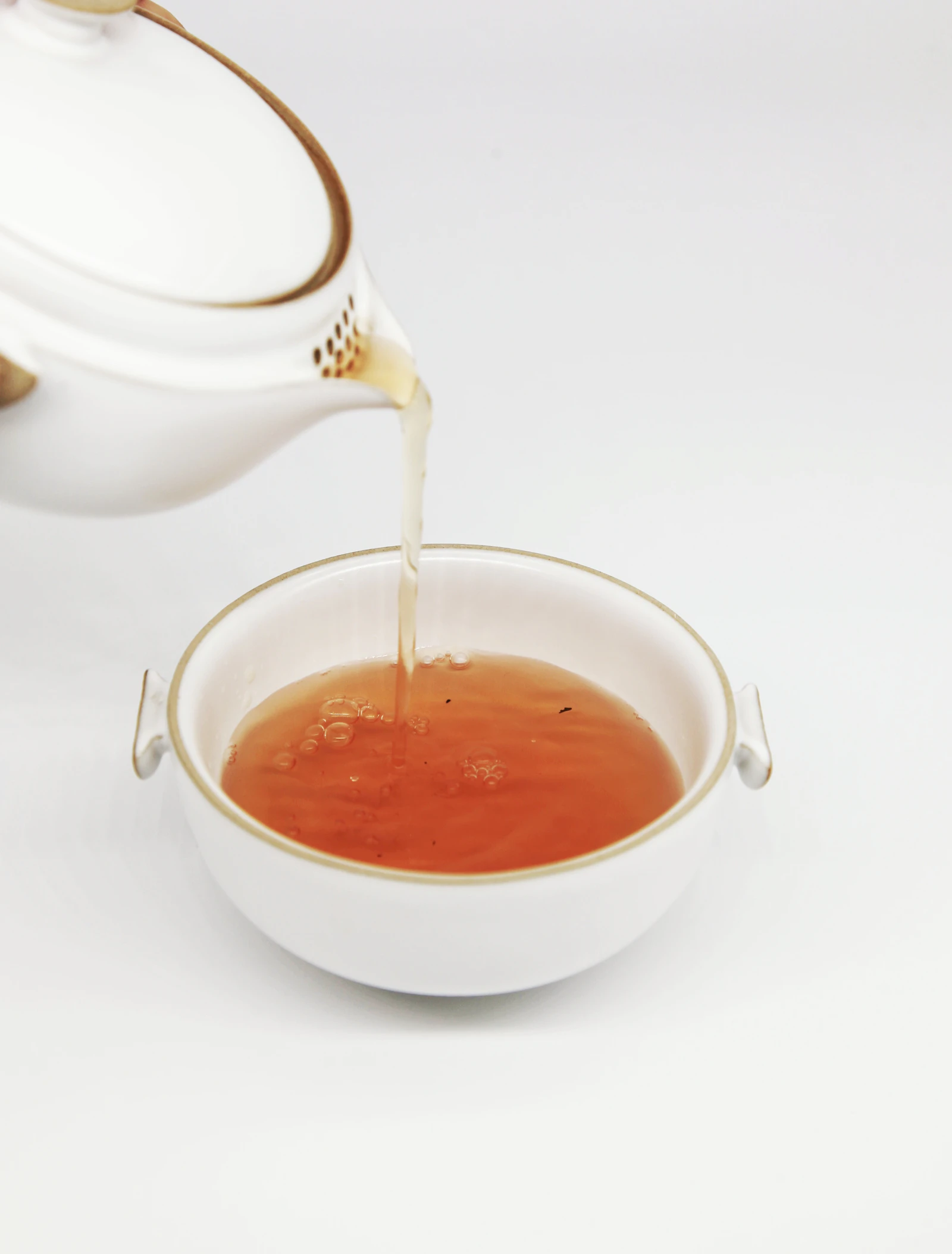
Tradition
Chinese Tea Culture & Ceremony
Tea in China is far more than a drink — it's woven into daily life, art, poetry, and philosophy. For over 4,000 years, tea has been a medium for hospitality, meditation, and social connection.
“茶者,南方之嘉木也 — Tea is a noble tree of the south.”
Gongfu Tea Ceremony
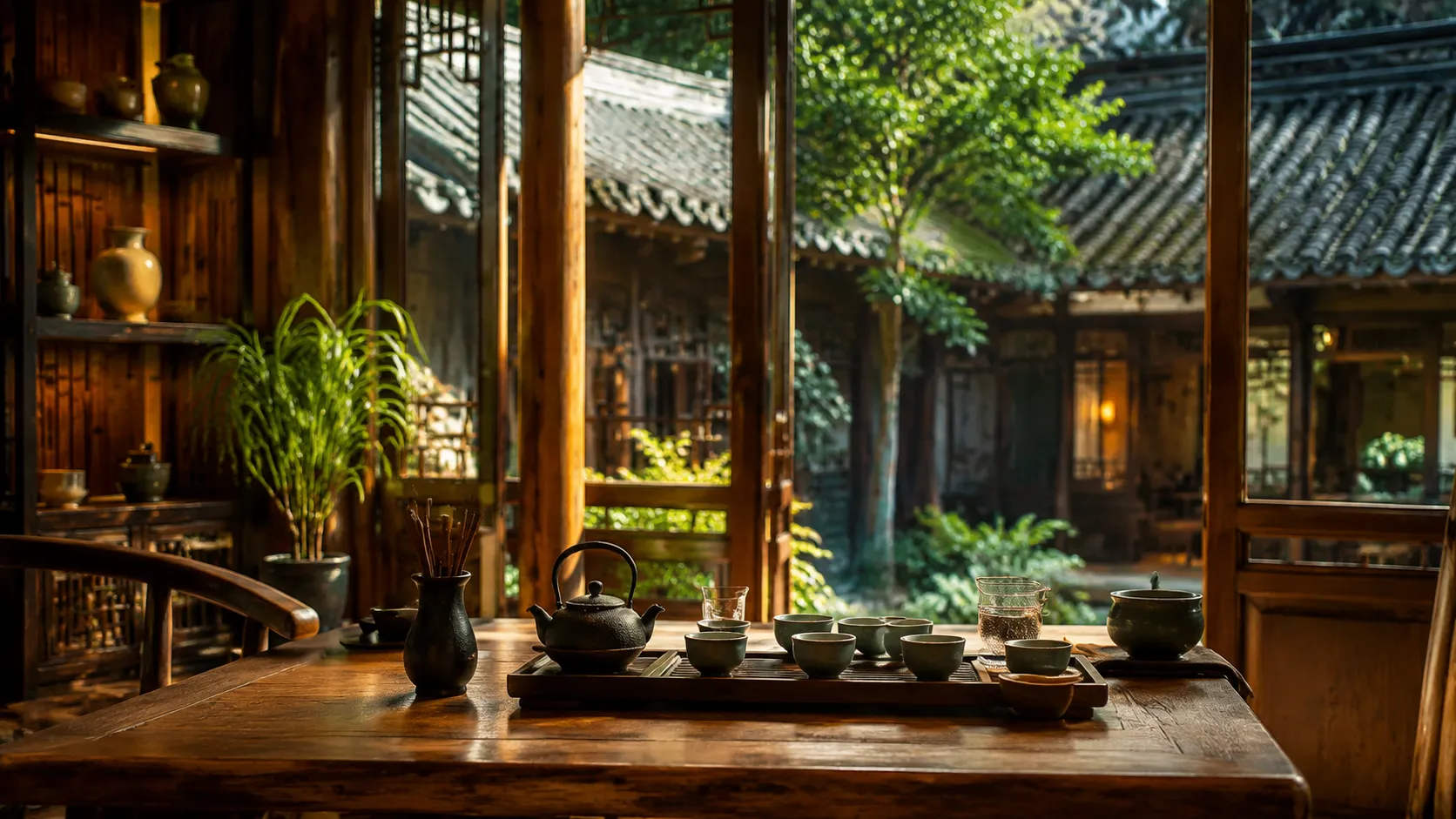
The Chinese approach to tea at its most refined. Using a small clay pot (often Yixing) or gaiwan, a high leaf-to-water ratio, and multiple short infusions (10-60 seconds each), gongfu cha reveals how a tea's flavor evolves across 5-15+ steeps. Unlike the formal Japanese tea ceremony, gongfu cha is practiced casually at home — it's less about ritual and more about the tea itself. The phrase means 'tea made with skill,' and the focus is on extraction, temperature control, and appreciating the journey from first steep to last.
Tea as Hospitality
Serving tea to guests is a fundamental Chinese custom that predates recorded history. When you visit a Chinese home or office, tea appears before small talk begins — it's a gesture of respect, warmth, and connection. The phrase 请喝茶 (please drink tea) is one of the most common expressions of welcome.
Wedding Tea Ceremony
The Chinese wedding tea ceremony is one of the most meaningful moments of the celebration. The bride and groom kneel before their parents and serve tea, formally transitioning from being 'children' to 'partners.' Parents often add auspicious ingredients — red dates (for early offspring), lotus seeds (for harmony), and longan (for sweetness). In return, parents offer red envelopes (hong bao) with gifts or money. This tradition appears across Chinese communities worldwide, from Beijing to San Francisco.
Tea Culture Quick Facts
- 01 Tea originated in China around 2737 BCE
- 02 The 'Tea Classic' (茶经) by Lu Yu was written in 760 CE
- 03 All six tea types come from the same plant — Camellia sinensis
- 04 China produces over 40% of the world's tea
- 05 Yixing clay teapots are prized for absorbing tea oils over decades
- 06 Aged pu-erh can cost as much as fine wine
Why Trust This Site
Written by People Who Drink the Tea
The bar is high for advice you're going to act on. Here's how we meet it.
Written and blind-tasted by the Chinese Tea Guide team · Last updated .
Verified Parameters
Every temperature, price, and ratio is based on direct market data and re-checked quarterly.
Blind Tasted
Every tea is brewed blind, multiple ways, before it earns a recommendation. We buy at market prices — never free samples.
No Sponsorships
We accept no sponsorships from vendors and earn no commissions on teas we recommend.
No AI Fluff
Every paragraph answers a real question a tea drinker would ask. No padding, no recycled text.
Ready to Drink Better Tea?
From your first cup to your tenth infusions — everything here moves you from curiosity to a better cup.
Sources & Further Reading
- Lu Yu, The Classic of Tea (茶经) — the first monograph on tea, c. 760 CE.
- Chinese tea — history, classification, and cultural background (Wikipedia).
- Tea — processing methods, chemistry (catechins, L-theanine), and global history (Wikipedia).
Questions
Frequently Asked Questions
What is Chinese tea?
Chinese tea refers to tea produced from the leaves of the Camellia sinensis plant using traditional Chinese processing methods. Unlike many Western teas, Chinese tea is categorized by processing method rather than region alone, resulting in six distinct types: green, white, yellow, oolong, black, and dark (post-fermented) tea. China is the birthplace of tea culture, with a history spanning over 4,000 years.
How many types of Chinese tea are there?
There are six major categories of Chinese tea, distinguished by their oxidation level and processing method: Green Tea (unoxidized, fresh, vegetal), White Tea (minimally processed, delicate), Yellow Tea (lightly oxidized, mellow, rare), Oolong Tea (partially oxidized, from floral to roasted), Black Tea (fully oxidized, malty, robust — called hong cha/'red tea' in Chinese), and Dark Tea (post-fermented, earthy, aged like Pu-erh).
Which Chinese tea is best for beginners?
For beginners, we recommend starting with White Tea (light, forgiving to brew) or Tie Guan Yin Oolong (floral, approachable). If you prefer something familiar to Western black tea, try Keemun (smooth, malty). If you enjoy green tea, Longjing (Dragon Well) is the most famous and a great starting point. The key is to match the tea to your existing taste preferences — use our Find Your Tea tool to get a personal recommendation.
How do you brew Chinese tea?
Chinese tea brewing varies by type, but the general method — gongfu style — uses a small teapot or gaiwan with a high leaf-to-water ratio and multiple short infusions. Key factors: water temperature (160°F-212°F depending on tea type), steeping time (10-60 seconds for gongfu, 2-5 minutes for Western style), and quality water (spring or filtered). See our Brewing Guide for detailed instructions per tea type.
What is the difference between Chinese tea and Japanese tea?
Chinese tea is almost entirely pan-fired or wok-roasted to halt oxidation, resulting in toasty, nutty flavors. Japanese green teas are steamed, producing a vegetal, umami-rich profile. Chinese tea culture emphasizes variety (six categories) and the gongfu ceremony, while Japan focuses primarily on green tea (matcha, sencha, gyokuro) and the chanoyu tea ceremony. Chinese oolongs and pu-erhs have no Japanese equivalent.
Is Chinese tea healthy?
Chinese tea, particularly green and white varieties, is rich in antioxidants (catechins, EGCG), L-theanine (promotes calm focus), and moderate caffeine. Studies suggest regular tea consumption may support heart health, metabolism, and cognitive function. However, tea should complement — not replace — a balanced diet and healthy lifestyle. Consult a healthcare professional for specific health concerns.