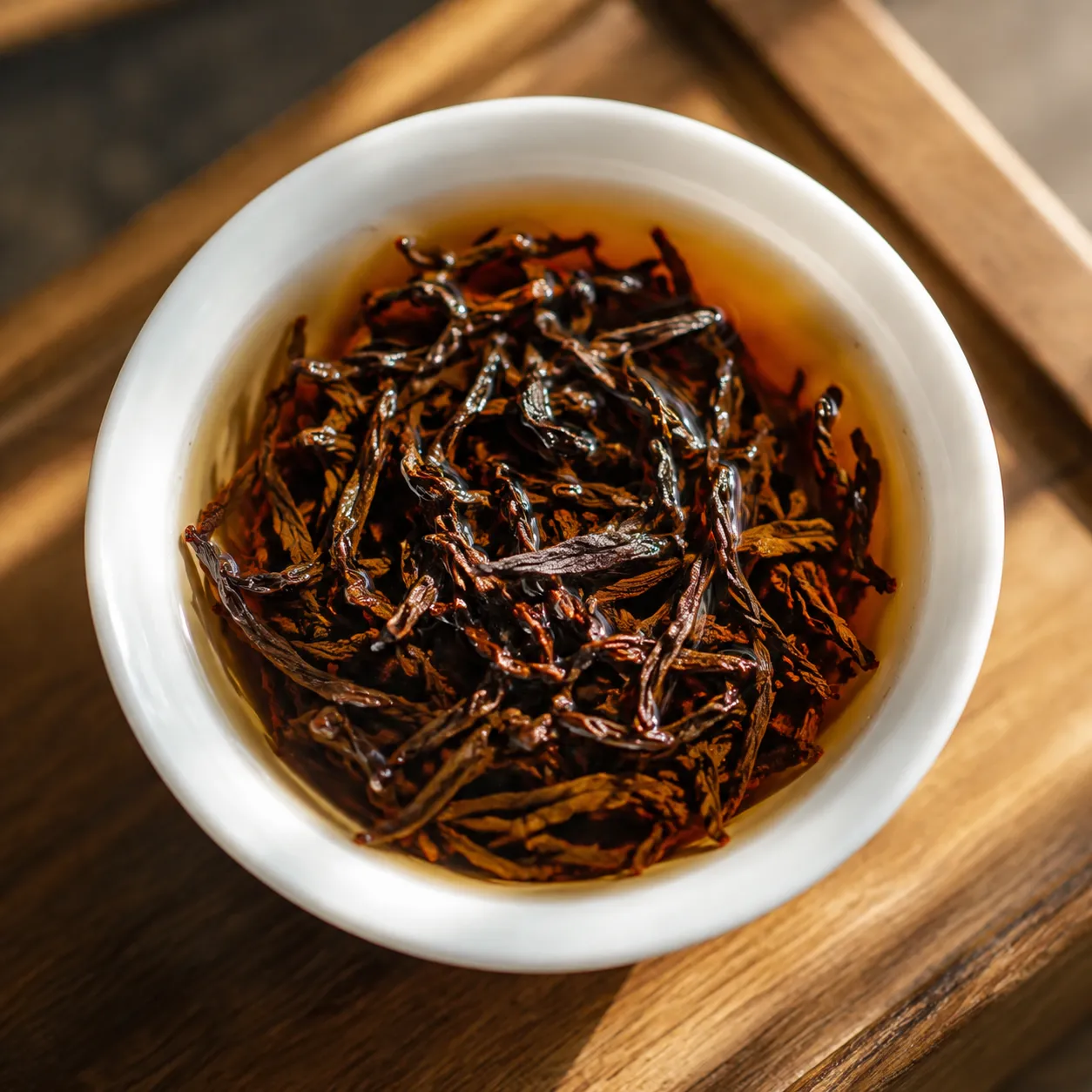
Black Tea 红茶 hóng chá
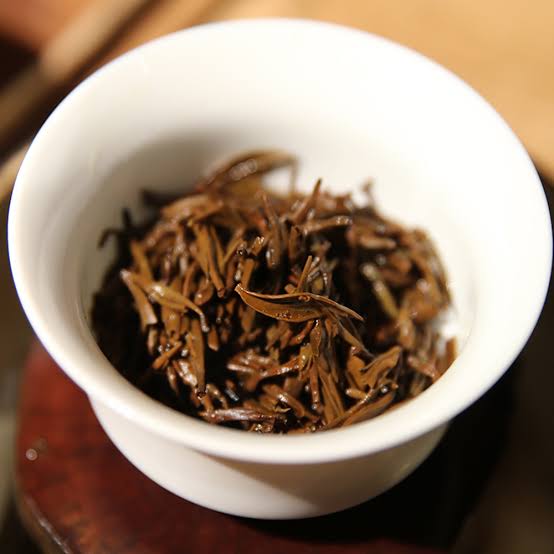
Called hong cha (red tea) in Chinese — named for the reddish liquor, not the leaf. The leaves are fully oxidized before drying, creating dee…
The Defining Process
How Black Tea Is Made
Full oxidation
全发酵 — quán fājiào — 'full oxidation'
Black tea is fully oxidized. After picking and withering, the leaves are rolled to break down cell walls and release the enzymes that drive oxidation. The leaves are then left to oxidize as completely as possible before drying. Catechins convert to theaflavins and thearubigins — the compounds that produce the amber-red liquor and brisk character. The result is the most stable type in the collection: already heavily oxidized, it stores well and doesn't deteriorate quickly. Chinese black teas are almost always congou-style — whole-leaf, carefully processed, with distinct regional characters: Keemun from Anhui, Dian Hong from Yunnan — same method, different cultivars, different terroir, different cups.
Oxidation
100% (fully oxidized)
Caffeine
Medium
Brew Temp
195-212°F
Typical Price
$8-50 / 100g
Straight Answers
Common Black Misconceptions
Chinese 'black tea' is hong cha (红茶, 'red tea') — named for the red liquor, not the leaf. The Chinese 'dark tea' category (hei cha) is the fermented one, which is where Pu'er belongs.
Black tea and red tea are the same tea — the confusion is purely a translation artifact of naming the category after the liquor color.
Chinese black teas aren't the aggressive, tannic brews you may know from bags — whole-leaf congou styles are smooth and need no milk.
The one-liner: Fully oxidized; brisk and stable, with distinct regional character in whole-leaf Chinese versions.
4 Famous Black Teas
Our Black Tea Guides
Click any tea for its full page — flavor profile, exact brewing parameters, buying tips, and common scams.
 Black
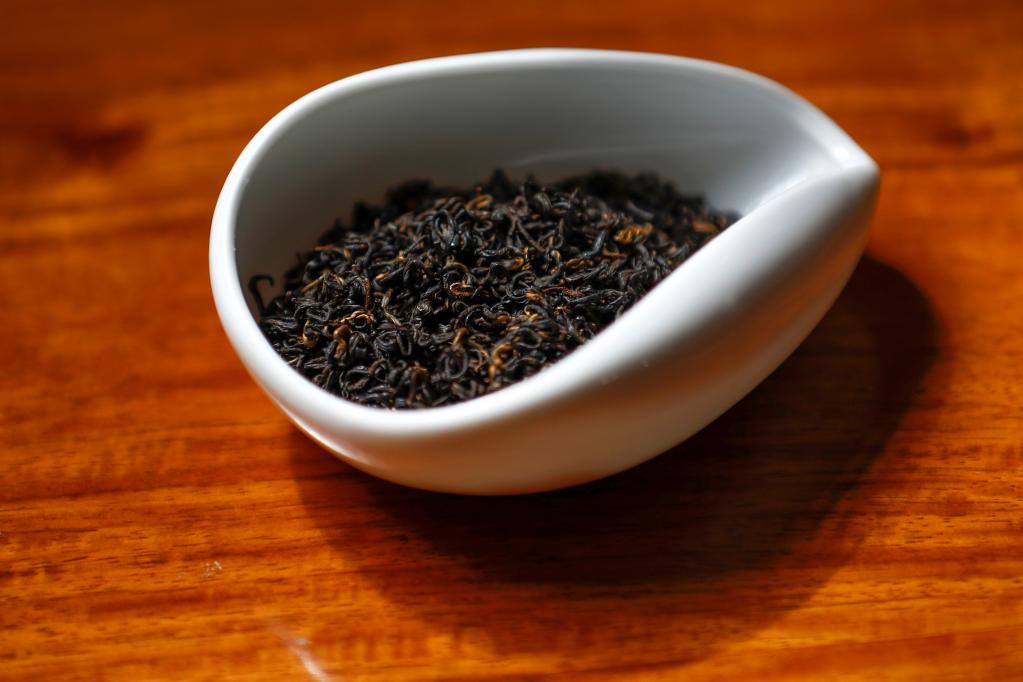
BlackKeemun (Qimen) 祁门红茶
Qimen County, Anhui
Malty, smooth, cocoa, hint of smoke
Full guide + buying tips
 Black
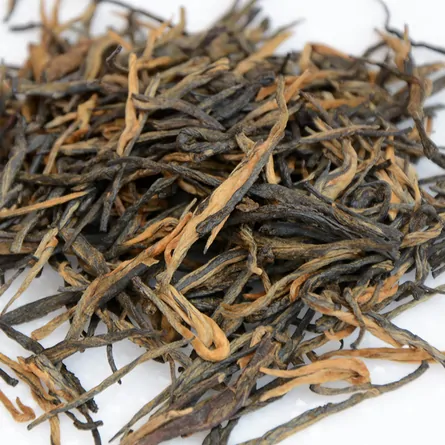
BlackDian Hong (Yunnan Black) 滇红
Fengqing and Lincang, Yunnan
Sweet potato, cocoa, rich, golden tips
Full guide + buying tips
 Black
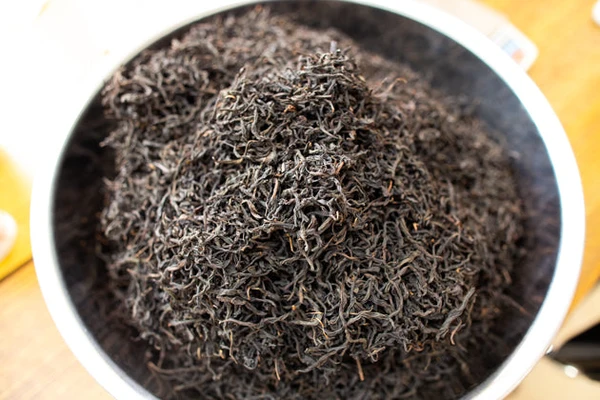
BlackLapsang Souchong 正山小种
Tongmu Village, Wuyi Mountains, Fujian
Smoky, pine, bold, longan
Full guide + buying tips
 Black
BlackJin Jun Mei (Golden Eyebrow) 金骏眉
Tongmu Village, Wuyi Mountains, Fujian
Honey, lychee, sweet, no astringency
Full guide + buying tips
Keep Exploring
The Other Five Types
Ready to Drink Better Tea?
From your first cup to your tenth infusions — everything here moves you from curiosity to a better cup.
Related Searches