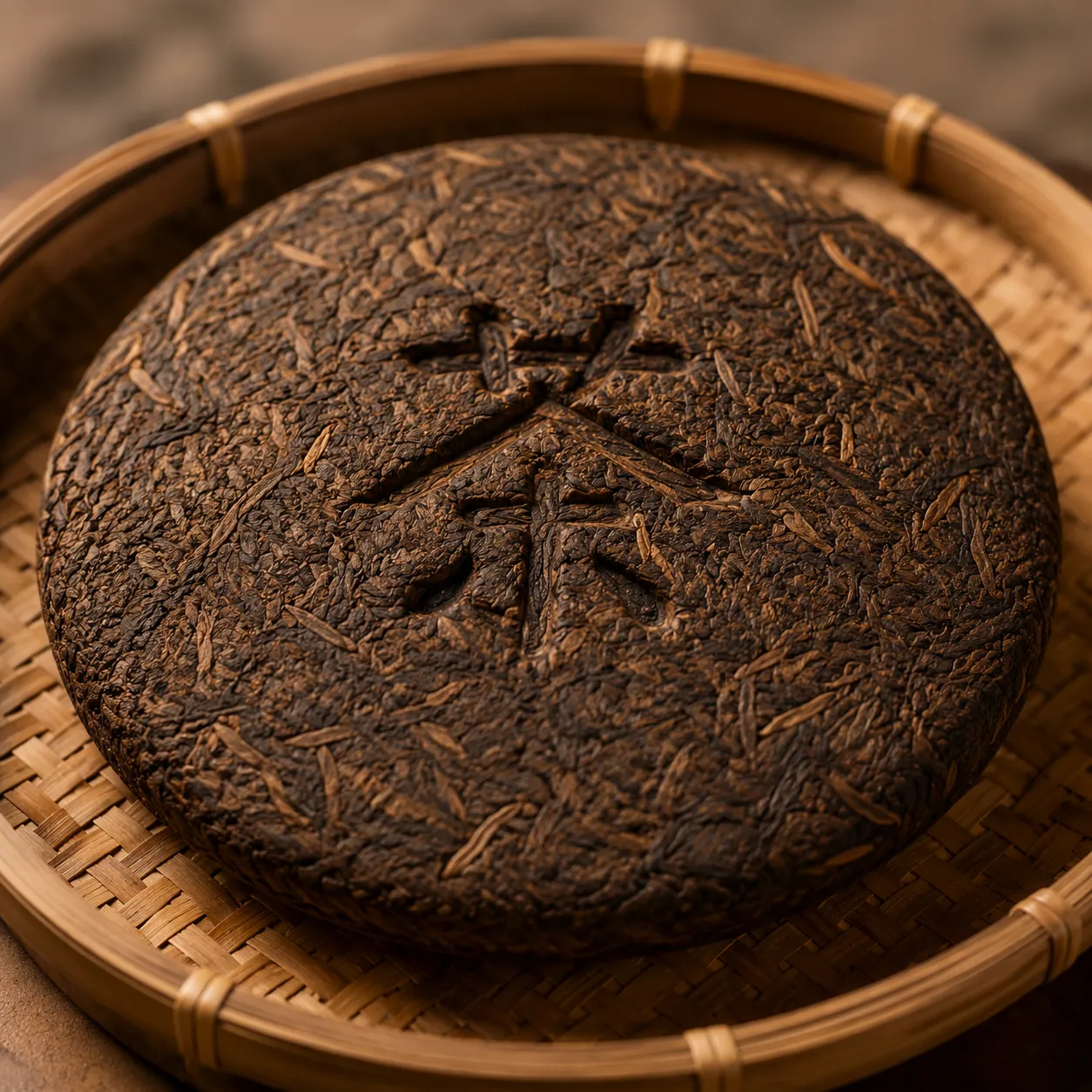
Sheng Pu-erh Tea 生普洱
Sheng pu-erh, also known as raw pu-erh, is the traditional, naturally aged form of pu-erh tea from Yunnan, China. Unlike shou pu-erh, which is artificially fermented to accelerate aging, sheng pu-erh develops its complex, earthy, and sometimes fruity flavors over many years of natural maturation. This guide covers everything from its flavor profile and health benefits to proper brewing techniques.
Water Temp
200-212°F (95-100°C)
Infusions
10-20+
Harvest
Spring and autumn. Pressing occurs after sun-drying, then aged for years or decades.
Entry Price
$15-40 / 357g cake (young, generic origin)
Understanding
What Is Sheng Pu-erh?
Sheng pu-erh (生普洱), also called raw pu-erh, is the original and traditional form of pu-erh tea. Made from the large-leaf tea trees (Camellia sinensis var. assamica) of Yunnan Province, sheng pu-erh is sun-dried after picking, then compressed into cakes, bricks, or tuo shapes. Unlike shou pu-erh, which undergoes accelerated fermentation through wet-piling (wo dui), sheng pu-erh ages naturally through slow oxidation over years or even decades.
When young, sheng pu-erh is bright, astringent, and sometimes bitter with floral and vegetal notes. As it ages, it transforms dramatically — the liquor darkens from pale gold to deep amber, and the flavor develops into something smooth, complex, and deeply satisfying, with notes of dried fruit, camphor, wood, and medicine. This aging potential is what makes sheng pu-erh a favorite among collectors and connoisseurs.
Think of sheng pu-erh like fine wine: young sheng is bold and tannic, while aged sheng is smooth and layered. The best sheng pu-erhs from famous mountains like Lao Ban Zhang, Bing Dao, and Yi Wu can age for 20-50+ years, becoming increasingly valuable and complex over time.
Comparison
Sheng Pu-erh vs Shou Pu-erh
The two types of pu-erh tea explained — and how to choose between them.
| Feature | Sheng Pu-erh (Raw) | Shou Pu-erh (Ripe) |
|---|---|---|
| Chinese Name | 生普洱 (Shēng Pǔ'ěr) | 熟普洱 (Shú Pǔ'ěr) |
| Processing | Sun-dried, pressed, naturally aged | Wet-piled (wo dui) fermentation, 45-60 days |
| Invented | Ancient (centuries old) | 1973 (modern invention) |
| Color (Liquor) | Pale gold (young) → deep amber (aged) | Dark mahogany, opaque |
| Young Flavor | Bright, astringent, bitter-sweet, floral | Smooth, earthy, woody, zero astringency |
| Aged Flavor | Complex, camphor, dried fruit, medicine | Deeper earth, aged wood, sweet finish |
| Aging Potential | 20-50+ years, transforms dramatically | Improves but less dramatic change |
| Caffeine | High | Medium |
| Beginner Friendly | ★★★☆☆ (acquired taste when young) | ★★★★☆ (smooth from the start) |
| Price Range | $15-500+ / cake | $10-150+ / cake |
| Best For | Collectors, aging, connoisseurs | Daily drinking, beginners, digestion |
New to pu-erh? Start with shou pu-erh for a smoother introduction, or explore sheng pu-erh if you enjoy the idea of aging tea like fine wine.
Flavor Profile
Taste & Aroma
Brewing Guide
How to Brew It
Water
200-212°F (95-100°C)
Vessel
Yixing clay pot (dedicated to sheng) or gaiwan
Gongfu Time
15-30 seconds (young), 30-60 seconds (aged)
Western Time
3-5 minutes
Ratio
5g per 100ml (gongfu)
Infusions
10-20+
Buying Guide
How to Buy Sheng Pu-erh Without Getting Scammed
The Chinese tea market is vast and unregulated. Here's exactly what to look for — and what to run from.
Entry Level
$15-40 / 357g cake (young, generic origin)
Premium / Collector
$100-500+ / 357g cake (famous mountain: Lao Ban Zhang, Bing Dao, aged 10+ years)
Quality Check
Pressed into cakes (bing), bricks, or tuos. Leaves should be intact, visible on surface. Young sheng is greenish; aged turns reddish-brown. Store in breathable environment.
Common Scams
Fake famous mountain tea (Lao Ban Zhang claims vastly outnumber production). Aged Pu-erh artificially wet-piled. Low-quality plantation tea passed off as ancient tree (gu shu). Poor storage leading to mold.
Search keywords that find the real thing
For the general principles behind every one of these checks — harvest dates, origin specificity, red flags — read our complete buying guide.
History
Where It Comes From
Sheng pu-erh is the original Pu-erh, sun-dried green tea from Yunnan's large-leaf trees, pressed and aged naturally. Unlike shou pu-erh, which was invented in 1973 to accelerate aging through wet-piling fermentation, sheng develops its character slowly over decades. Like wine, it transforms with time. The famous tea horse road carried Pu-erh from Yunnan to Tibet for centuries.
Ideal For
Collectors, connoisseurs, and those who enjoy watching tea evolve. The ultimate hobby tea. Young sheng pairs with rich food; aged sheng is a meditation tea. If you enjoy the idea of aging tea like fine wine, sheng pu-erh is your tea.
You May Also Like
Related Teas
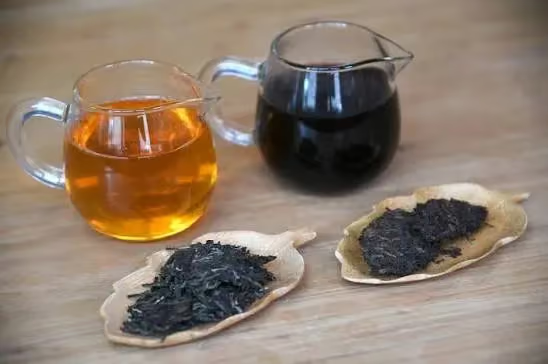
Pu-erh (Shou / Ripe) 熟普洱
Menghai, Xishuangbanna, Yunnan
Earthy, woody, smooth, dark chocolate
Full guide + buying tips
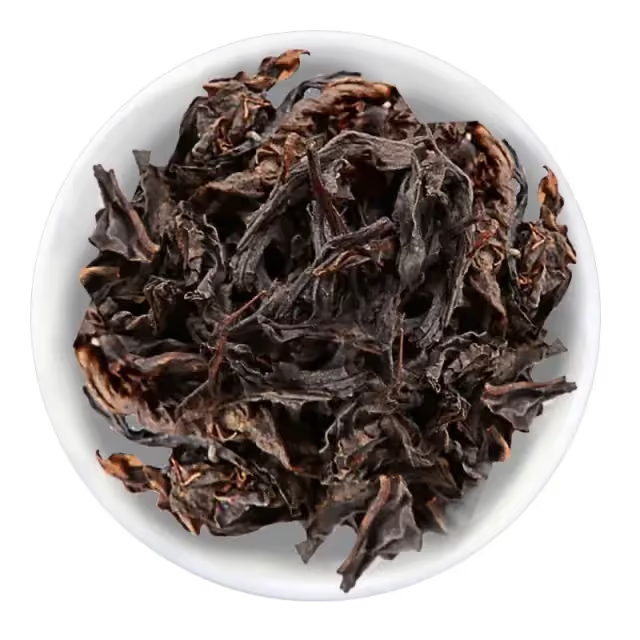
Da Hong Pao (Big Red Robe) 大红袍
Wuyi Mountains, Fujian
Roasted, mineral, dark chocolate, rock rhythm
Full guide + buying tips
Phoenix Dan Cong 凤凰单丛
Chaozhou, Guangdong
Peach, almond, honey, complex, natural fruit
Full guide + buying tips
Ready to Drink Better Tea?
From your first cup to your tenth infusions — everything here moves you from curiosity to a better cup.
Related Searches